
Can My Pet Get COVID-19?
Pets can get Covid-19, but it’s very rare. Since 220, there have been less than 300 confirmed cases of COVID-19 in dogs and cats in the US. You probably asked this question to learn if your pet is at risk, steps you can take to protect them, and what it could mean for your health, too.
COVID-19 and Pets
Can I get COVID-19 from my pets?
In very rare cases, a cat or dog could catch COVID-19. Even if they do, it’s not likely that you will catch it from them. So far, there is just one case of a pet transmitting the virus to a human. It is far more likely for humans to transmit the virus to their pet.
Can my pet get COVID-19 from me?
Yes. A pet can catch COVID-19 from a pet parent, or human. Pets have prolonged, very close contact with their owners who were sick with the virus. So, it is possible to pass the virus to your pet.
Signs of COVID-19 in Cats and Dogs
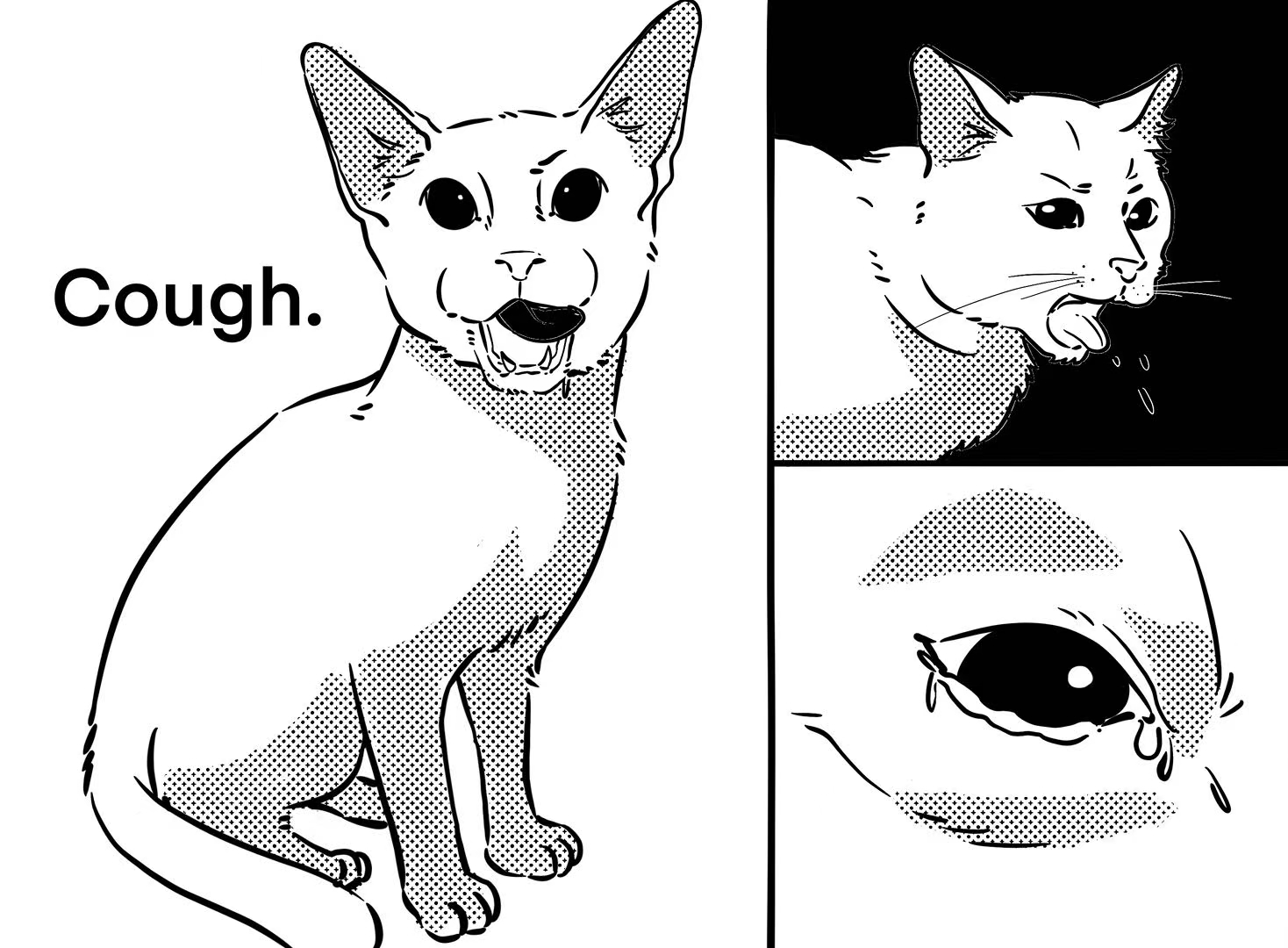
The signs of COVID-19 in pets are similar to other respiratory viruses. If a dog has covid, it can present as canine infectious respiratory disease complex, otherwise known as kennel cough. In cats, it can be mistaken for a viral respiratory infection. This just means that it can be hard to diagnose COVID-19 in cats and dogs.
Sometimes, cats and dogs who have the virus don’t show any signs at all. Many pets do develop mild signs which are easily managed at home. Pets do not usually develop more serious symptoms that would require veterinary care or hospitalization.
Here are some of the signs you might notice if your pet has COVID-19:
· Tired, not as playful, or doesn’t want to exercise
· Sneezing
· Coughing
· Runny nose
· Eye discharge
· Vomiting
· Fever
· Loss of appetite
· Diarrhea
When should I take my cat or dog to the vet for COVID-19?
If you see more serious signs or symptoms, you should get your pet to the vet immediately. More serious signs include:
· Frequent coughing that keeps them from resting
· Breathing symptoms: faster than 40 breaths per minute at rest, noisy breathing, having to work to breathe (labored breathing)
· Pale, blue, or purple gums
If you have COVID-19, and your pet needs to go to the vet, ask a friend or family member to take them for you. Make sure to tell the vet that you have COVID-19. If no one can take your pet for you, ask if your cat or dog can be seen curbside to avoid exposure. That allows you to stay in your car and wear your mask when the vet or their staff comes to the car. They will take
your pet in for their exam. After the exam, they will discuss a possible
diagnosis and options for treatment.
Treating Pets with COVID-19
There isn’t a specific protocol for treating pets with COVID-19. However, veterinarians will offer treatment options that ease symptoms. They may offer:
· Oxygen therapy to help your pet breathe more easily
· Appetite stimulant to increase their appetite
· Cough suppressants for severe coughs
· IV fluids to decrease fever and alleviate dehydration
Tips for Protecting Your Pet from COVID-19
Firstly, it’s very uncommon for pets to catch COVID-19. However, if you have COVID-19, they are going to want to snuggle with you even more. The best way to protect them is to keep your distance from them while you have COVID-19 symptoms. If you are sick, ask someone you know to care for your furry friend until you are better. If no one is available, wear a mask and wash your hands frequently. Do not kiss share food, or sleep with your pet. Try not to let them sit on your lap, either. (That’s hard for you and your pet!)
Your pet will not need a mask, whether they are sick or not. In fact, masks can be dangerous to dogs and cats, especially breeds with flatter faces or shorter noses. If they are exposed to COVID-19, usually because a human sneezed or coughed on them, you can help prevent the virus from spreading by wiping down their fur. Use the all-natural Pawer Lab Dog Wipes for your canine friend, or Pawer Cat Wipes for your feline friends.
About the Author: Fiona
Fiona is the current President and CEO of Pawer Lab. She makes sure everything is running purrfectly and oversees the day-to-day operations. When Fiona is not working, she enjoys chasing lasers, snacking on treats, or taking long naps in the sun.
Recommended for you