
Identifying Chronic vs Acute Pain in Cats
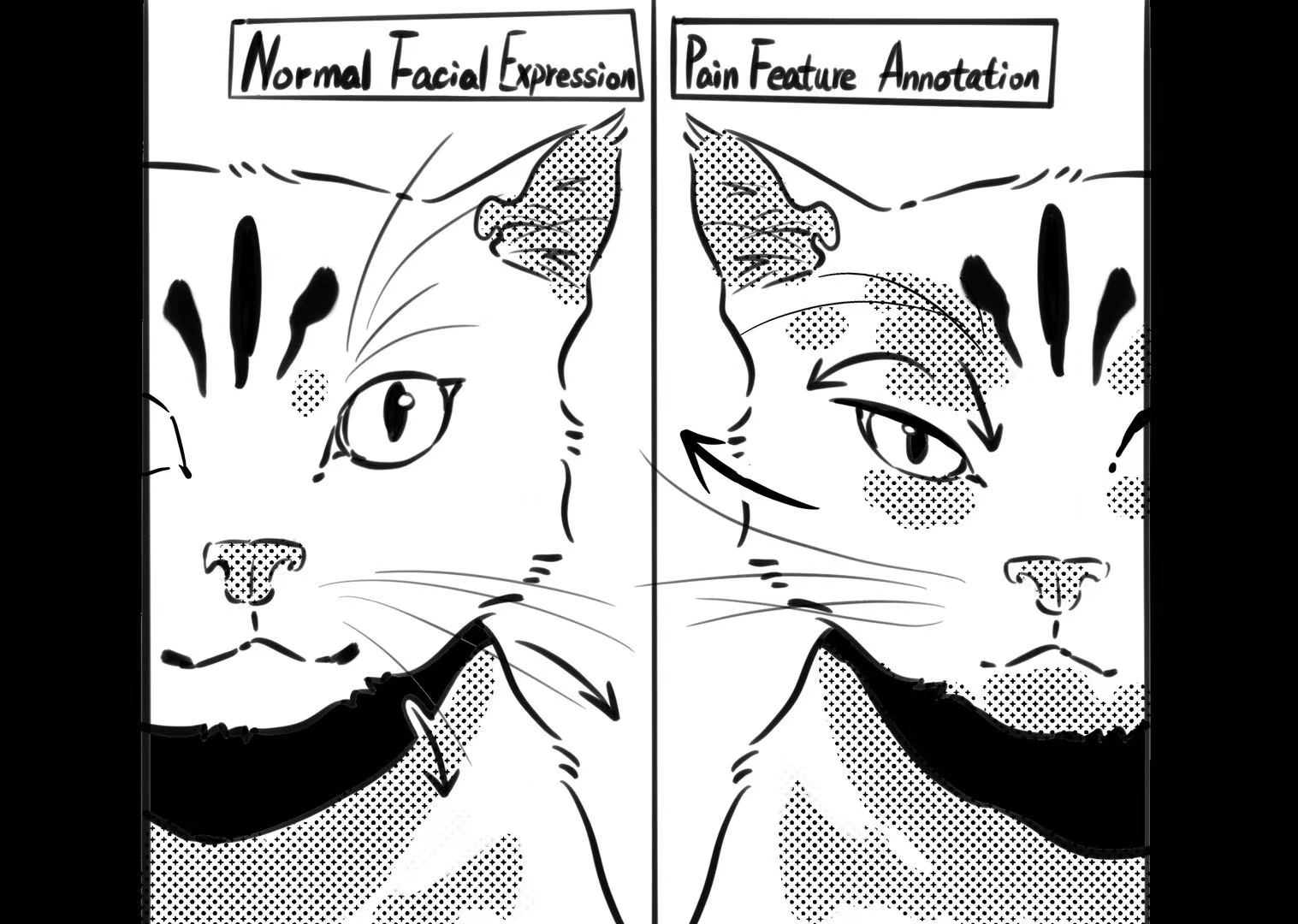
Cats have a remarkable ability to conceal pain. This instinct may have helped their wild ancestors avoid appearing vulnerable, but it also makes it difficult for pet owners to recognize when something is wrong.
Knowing the difference between acute and chronic pain can help you spot changes in your cat's behavior early and seek treatment before their condition worsens.
What Is Acute Pain?
Acute pain develops suddenly and is usually linked to a specific injury, illness, or medical procedure. It serves as the body's warning system, encouraging your cat to protect the injured area while it heals.
Common causes of acute pain include:
- Cuts or bite wounds
- Broken bones
- Surgical recovery
- Abscesses
- Infections
- Traumatic injuries
With proper treatment, acute pain often improves as the underlying problem heals.
What Is Chronic Pain?
Chronic pain lasts much longer than acute pain and often continues for weeks, months, or even years. Unlike acute pain, it doesn't always have a protective purpose. Instead, it can become an ongoing condition that affects your cat's mobility, behavior, and overall quality of life.
Some common causes include:
- Osteoarthritis
- Dental disease
- Cancer
- Chronic kidney disease
- Long-term joint injuries
Because chronic pain develops gradually, many owners mistake the symptoms for "normal aging."
Signs of Acute Pain in Cats
A cat experiencing sudden pain may display obvious changes, including:
- Crying, hissing, or growling
- Limping or refusing to bear weight
- Hiding unexpectedly
- Restlessness
- Loss of appetite
- Rapid breathing or panting
- Sensitivity when touched
These symptoms often require prompt veterinary attention, especially if they're associated with an injury.
Signs of Chronic Pain in Cats
Long-term pain tends to appear much more subtly. Watch for changes such as:
- Sleeping more than usual
- Less interest in playing
- Difficulty jumping onto furniture
- Reluctance to use stairs
- Reduced grooming
- Matted or unkempt fur
- Changes in litter box habits
- Increased irritability
- Spending more time alone
Even small behavioral changes can be meaningful, especially if they persist.
Why Cats Hide Their Pain
Unlike people, cats rarely cry out when they're uncomfortable. Instead, they often withdraw or quietly change their daily routines.
Your cat may simply stop doing things they once enjoyed rather than showing obvious signs of suffering. That's why paying attention to changes in behavior is one of the best ways to recognize pain early.
How Veterinarians Diagnose Pain
Finding the source of pain usually involves more than a physical examination.
Your veterinarian may recommend:
- A complete physical exam
- Orthopedic evaluation
- Bloodwork
- X-rays
- Dental examination
- Additional imaging if needed
These tests help identify the underlying cause and determine the most appropriate treatment plan.
Treating Acute vs. Chronic Pain
Although both types of pain require veterinary care, treatment goals are different.
Acute Pain Treatment
Treatment often focuses on resolving the immediate problem and relieving discomfort. Depending on the cause, your veterinarian may recommend:
- Prescription pain medication
- Antibiotics
- Surgery
- Wound care
- Rest and activity restriction
Chronic Pain Management
Long-term pain usually requires ongoing management rather than a single treatment.
Your veterinarian may suggest:
- Long-term pain medication
- Weight management
- Joint-support supplements
- Therapeutic diets
- Physical rehabilitation
- Environmental changes, such as ramps or orthopedic bedding
Many cats benefit from a combination of therapies designed to improve comfort and mobility.
Helping Your Cat Stay Comfortable at Home
You can make daily life easier for a cat living with chronic pain by:
- Providing soft, supportive bedding
- Keeping food, water, and litter boxes easy to reach
- Using pet stairs or ramps for favorite resting spots
- Maintaining a healthy body weight
- Scheduling regular veterinary checkups
- Monitoring for changes in movement or behavior
Small adjustments around the home can significantly improve your cat's comfort.
When to Call Your Veterinarian
If your cat suddenly begins limping, cries out in pain, refuses to eat, or shows lasting changes in activity or personality, don't wait to see if the problem resolves on its own.
Early diagnosis and treatment can prevent pain from becoming more severe and help your cat enjoy a happier, healthier life.
Since cats are naturally skilled at hiding discomfort, your careful observations may be the first clue that they need medical attention.
About the Author: Fiona
Fiona is the current President and CEO of Pawer Lab. She makes sure everything is running purrfectly and oversees the day-to-day operations. When Fiona is not working, she enjoys chasing lasers, snacking on treats, or taking long naps in the sun.
Recommended for you