
Is My Cat Mean or Aggressive? How to Tell and What to Do
What happened to your sweet, cuddly kitty that loved to be petted with the Pawer Cat SPA Glove? Do you think they have turned into a “mean” cat all of a sudden? Did your sweet furry family member turn sour, start swatting, biting, or attacking feet? It’s not usually that your cat is mean. Instead, aggression is a type of communication. Usually, it’s your cat trying to tell you they have unmet needs or an underlying medical condition.
By learning subtle shifts in your cat’s body language, you can give them the space they are requesting before behavior issues get worse. Changing a few things at home and getting them a checkup for new or sudden behavior changes can help you develop a better relationship with your cat.
Key Takeaways
- Aggression in cats can be a sign of unmet needs or underlying medical issues, not anger.
- Defensive behavior can be mistaken for aggression in cats.
- Common causes of cat aggression include guarding resources, being overstimulated, and redirected stress.
What an Aggressive Cat Looks Like
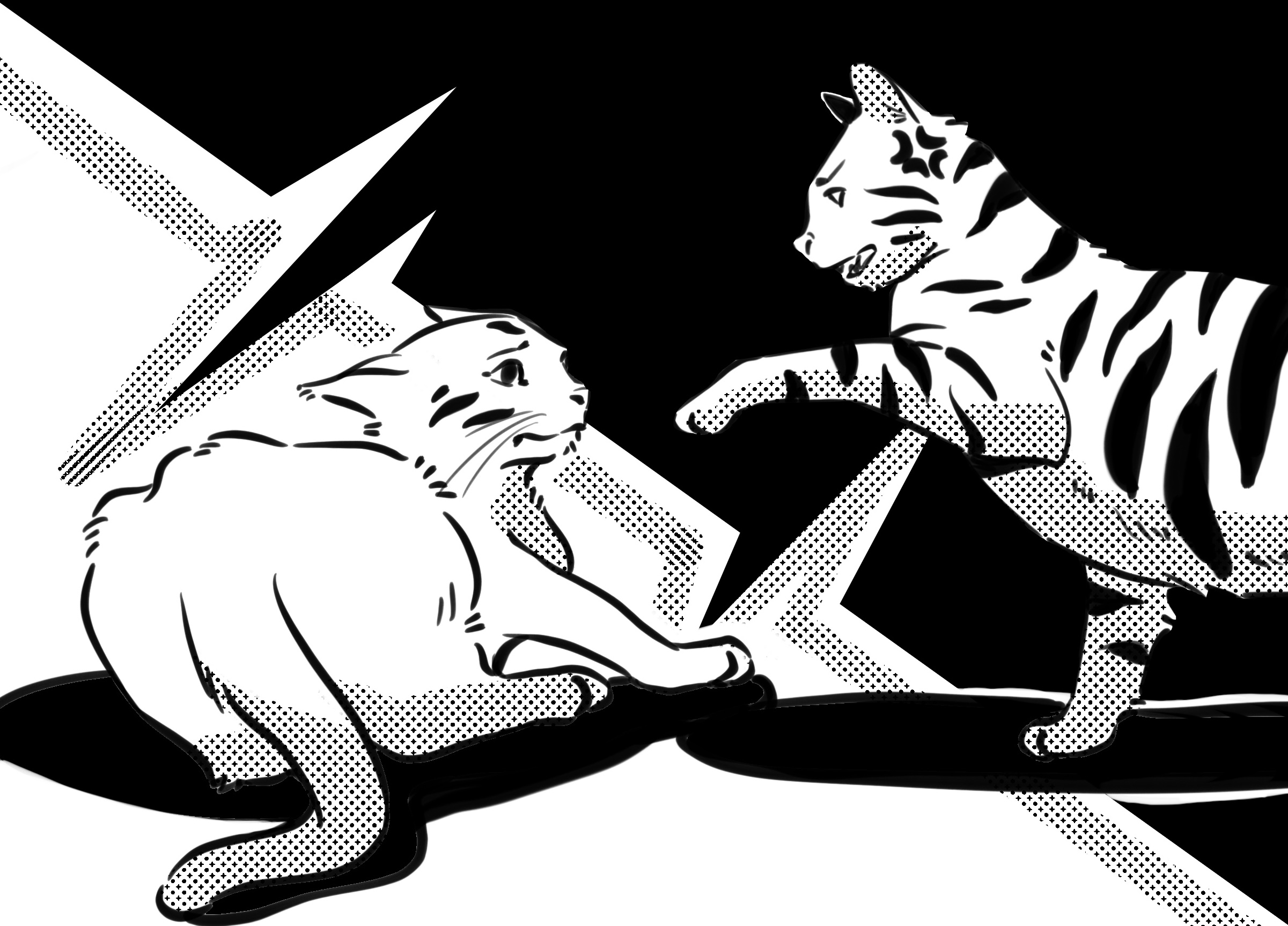
One of the most common and first signs of cat aggression is hissing. An aggressive cat usually starts giving subtle clues like:
· Quickly swishing their tail
· Displaying stiff, upright body posture
· Direct, unblinking eye contact
· Rotating and twitching ears
· Dilated pupils
· Stiffening of their tail
· Rippling skin
If you don’t notice these subtle hints, your cat may escalate both their body language and vocalization to get their point across.
They may start to:
· Pin their ears back
· Yowling or growling
· Hissing, spitting or snarling
· Puffing up their fir trying to look bigger
· Moving forward instead of retreating
· Standing taller
· Biting
· Giving sharp swats
Just because a cat hisses or bites doesn’t mean they are aggressive. Sometimes, cats are mislabeled as mean or aggressive when they are just defending themselves or their property. In these instances, cats are
merely reacting out of stress, discomfort, or fear, and not being aggressive at all.
Defensive Vs. Aggressive Cat Behavior
Misunderstanding your cat’s behavior and thinking that defensiveness is aggression can put a strain on the human-cat bond. You may even overlook your cat’s stress or pain. Knowing the difference can help you understand the cause behind the behavior and how to respond properly.
A defensive cat is trying to keep a threat away.
Cats that are trying to keep a threat away will usually:
· Hiss, yowl, or let out breathy moans.
· Cower, tuck their tail, and flatten their ears.
· Crouch low to make themselves look smaller.
· Back away or retreat but still lash out if they feel cornered.
An aggressive cat is trying to scare off something they perceive to be a threat.
If a cat is being aggressive, they will exhibit behaviors like:
· Growling or snarling in a deep, steady tone.
· Holding an upright, tense stance coupled with intense eye contact.
· Puff up to make themselves look bigger.
· Stand their ground or advance toward the perceived threat.
How to Take Care of Aggressive Cats
There isn’t a cookie-cutter answer for treating cat aggression. And, if you find the fix, it’s not always quick. The first place to start is with environmental and behavioral changes. For some cats, you may want to talk to the veterinarian who can recommend medications that can help manage cat anxiety. Here are some things to try.
Resource Aggression or Guarding
If you determine your cat is being aggressive or guarding their resources, you have some options to try.
· Litter Boxes. Cats sometimes want to guard their litter boxes. It’s their personal space and they may try to guard it from other cats. As a general rule, you should have one litter box per cat plus one extra. So, if you have two cats, you need three litter boxes. Put the litter boxes in different locations and not against walls. This allows your cat multiple ways to get in and out of the litter box, so they can see their surroundings.
· Rest and Play Spots. You’ll want to have some areas in your home that provide room for your cats to rest or play. Place different resources like cat beds, cat trees, and scratching posts throughout your house so they don’t feel like they have to compete for the best spots.
· Feeding Stations. Each of your cats should have their own food bowl. They should be placed at least a few feet apart. If you notice aggression during mealtimes, you may want to put their feeding stations in separate rooms.
About the Author: Fiona
Fiona is the current President and CEO of Pawer Lab. She makes sure everything is running purrfectly and oversees the day-to-day operations. When Fiona is not working, she enjoys chasing lasers, snacking on treats, or taking long naps in the sun.
Recommended for you