
Protect Your Pup from Dog Park Dangers
Dog parks have become popular destinations for pet owners looking to give their dogs a chance to run, play, and socialize. For many dogs, a visit to the dog park can be an exciting adventure filled with exercise and interaction. However, dog parks are not always the perfect solution for every pet.
Before heading to the nearest off-leash area, it's important to understand both the benefits and potential drawbacks. Knowing the risks and taking appropriate precautions can help you decide whether dog parks are the right fit for your dog.
The Benefits of Visiting a Dog Park
When managed properly, dog parks can offer several advantages for both dogs and their owners.
Physical Exercise
Many dogs need regular opportunities to run, explore, and burn off energy. Dog parks provide a larger space than most backyards, allowing dogs to move freely and engage in natural behaviors such as running, chasing, and playing.
Mental Stimulation
New environments, smells, people, and dogs provide valuable mental enrichment. Exploring different surroundings can help keep your dog engaged and reduce boredom-related behaviors at home.
Social Opportunities
Some dogs enjoy interacting with other dogs and can benefit from positive social experiences. For well-socialized dogs, dog parks can help maintain healthy social skills and confidence.
Health Risks to Consider
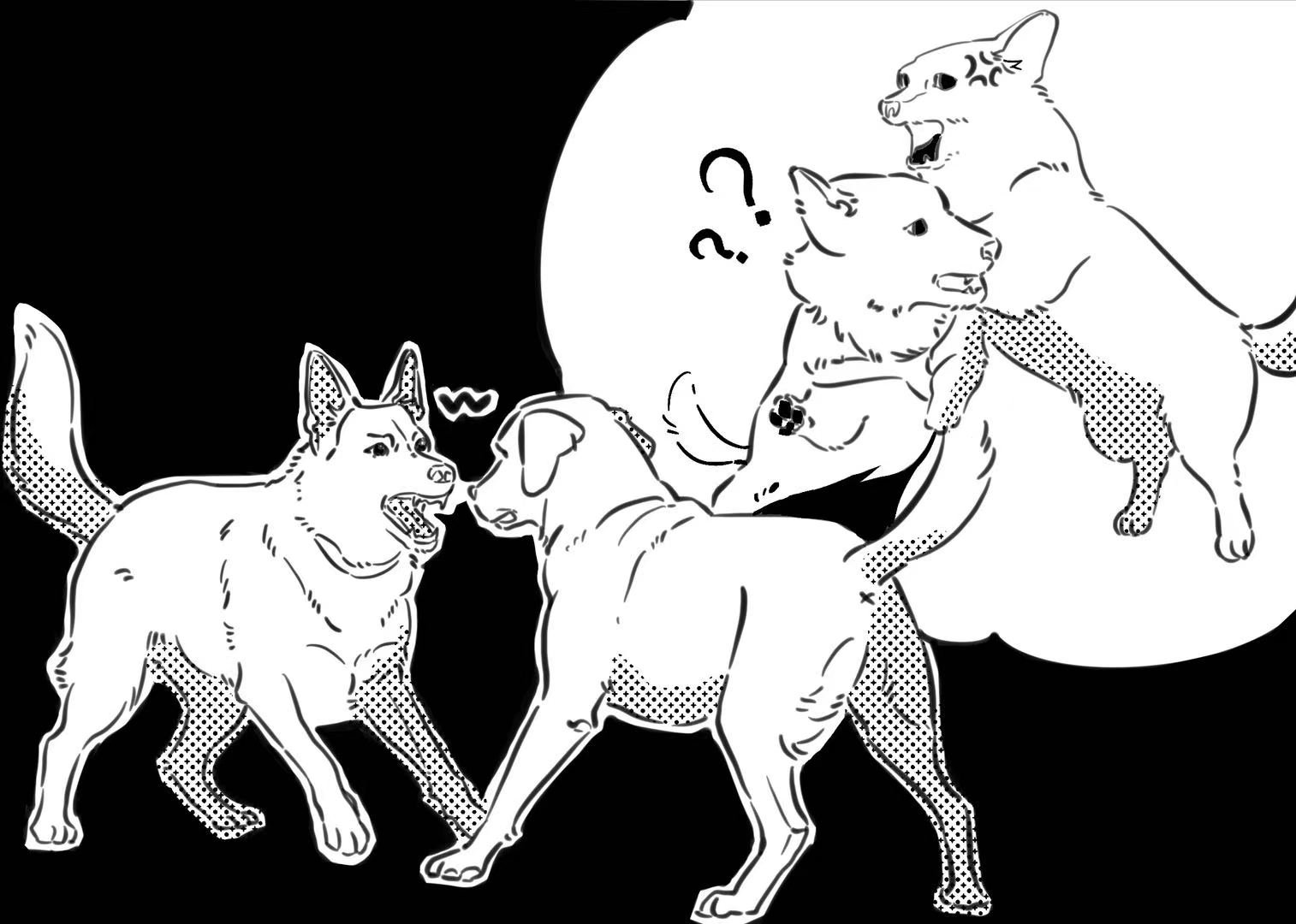
While dog parks can be enjoyable, they also expose dogs to health risks that may not be present in more controlled environments.
Exposure to Parasites
Dog parks can harbor intestinal parasites that spread through contaminated soil and feces. Common parasites found in public dog areas include:
- Hookworms
- Roundworms
- Whipworms
Because many dogs visit these spaces, the risk of exposure can be higher than in private settings.
Respiratory Illnesses
Just as illnesses can spread quickly among people in crowded areas, respiratory infections can spread among dogs that interact closely.
Common concerns include:
- Kennel cough (Bordetella)
- Canine influenza
These conditions can move rapidly through groups of dogs, particularly in heavily used parks.
Infectious Diseases
Puppies and unvaccinated dogs face an increased risk of contracting serious illnesses, including parvovirus. Young dogs are especially vulnerable because their immune systems are still developing.
Protecting Your Dog Before Visiting
Preparation can significantly reduce the risks associated with dog parks.
Keep Vaccinations Current
Before visiting a dog park, ensure your dog is up to date on all core vaccinations, including:
- Rabies
- Distemper
- Parvovirus
Your veterinarian may also recommend additional vaccines, such as Bordetella or leptospirosis, depending on your location and your dog's lifestyle.
Maintain Preventive Care
Year-round parasite prevention is essential. This includes:
- Flea prevention
- Tick prevention
- Heartworm prevention
These treatments help protect your dog from common parasites encountered in public spaces.
Bring Your Own Supplies
Carrying your own water bowl and fresh water can reduce exposure to germs that may be present in communal drinking stations. After leaving the park, consider wiping your dog's paws with Pawer Dog Wipes and checking for injuries, ticks, or debris.
Is the Dog Park Right for Your Dog?
The answer depends largely on your dog's individual personality.
Dogs That May Enjoy Dog Parks
Dog parks may be a good fit for dogs that:
- Enjoy meeting other dogs
- Have strong social skills
- Respond well to owner commands
- Are fully vaccinated and healthy
Dogs That May Not Benefit
Some dogs may be happier with alternative activities, including:
- One-on-one playdates
- Structured dog daycare
- Private yard play sessions
- Walks and hikes
Dogs that are fearful, reactive, elderly, recovering from illness, or uncomfortable around unfamiliar dogs may not enjoy the dog park experience.
Puppies Need Special Consideration
Puppies under 16 weeks of age should generally avoid dog parks until they have completed their vaccination schedule. Their developing immune systems make them more vulnerable to infectious diseases.
How to Evaluate a Dog Park
Before bringing your dog, visit the park alone and assess the environment.
Look for:
- Secure fencing
- Double-gated entrances
- Clean grounds
- Separate areas for small and large dogs
- Responsible pet owners supervising their dogs
A well-maintained park with attentive visitors is often a safer environment for everyone.
Alternatives to Dog Parks
If dog parks don't seem like the right fit, there are many other ways to provide exercise and enrichment.
Popular alternatives include:
- Organized dog daycare programs
- Private dog walking services
- Backyard play sessions
- Rental dog play areas
- Hiking trails
- Structured training classes
Many dogs thrive without ever visiting a dog park.
Final Thoughts
Dog parks can be wonderful places for exercise, enrichment, and social interaction, but they are not without risks. Exposure to disease, injury, and behavioral challenges are all important considerations when deciding whether to visit.
Every dog is different. Some thrive in busy social environments, while others prefer quieter, more controlled activities. By understanding your dog's personality, maintaining preventive healthcare, and staying attentive during visits, you can make informed decisions that support your pet's overall well-being.
When in doubt, consult your veterinarian. They can help you determine whether dog parks are a good fit for your dog's age, health status, and temperament.
About the Author: Hazel
Hazel is the head engineer at Pawer Lab. He develops and tests the latest pup-focused inventions for Pawer Lab. He is passionate about enjoying the small things in life. The border collie’s hobbies include riding in the car, stalking the mailman, and fetching tennis balls.
Recommended for you