
Tips for Helping Outdoor Community Cats in the Winter
When winter moves in, the weather outside can be dangerous. Humans can escape the inclement weather by spending more time inside. But what happens to community cats or feral cats that live outdoors?
Even though cats have a fur coat, they are still vulnerable to winter weather and dangerously cold temperatures. When the temperature drops to dangerous levels, cats risk hypothermia and frostbite.
It’s not easy to take care of community cats. They are a bit on the wild side and don’t take kindly to gentle petting with a Pawer Cat Spa Glove! The good news is that there are some ways to help vulnerable community cats stay safe and healthy when it gets really cold outside.
5 Ways to Help Protect Community Cats in Winter
1. Provide Outdoor Cat Houses
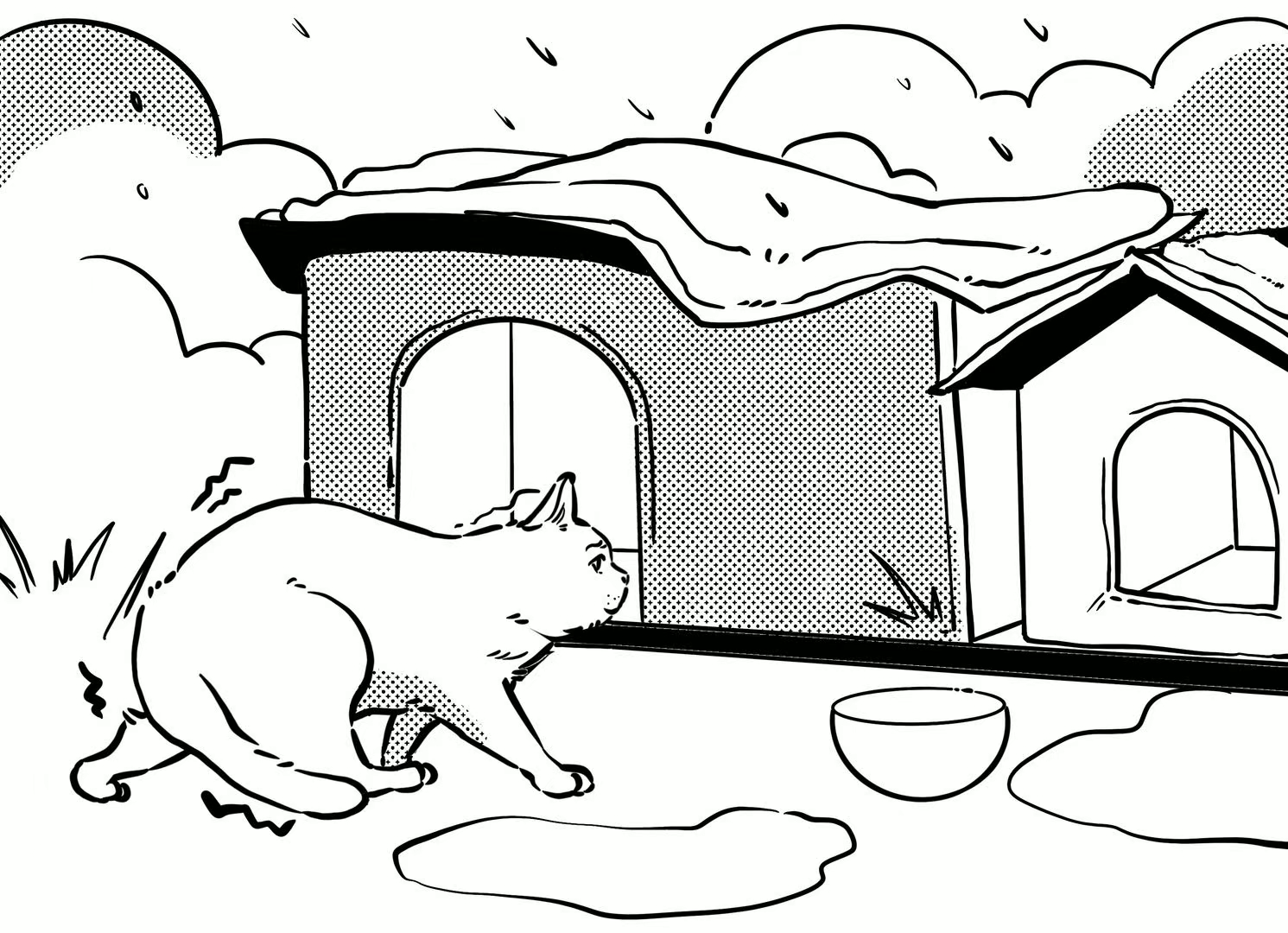
Providing a little cold-weather shelter for cats can mean life-saving protection for community cats. Generally, a cat shelter needs two things. First, a covered interior that stays warm and dry. This protects them from cold air, ice, and snow. Secondly, it needs bedding that will help keep them warm.
If your budget is larger, you could invest in a weather-resistant cat house and put it in an area where you know community cats tend to hang out. Look for options that are insulated. You can also provide a heated cat house or heating pad, if it is close to your house and a plugin.
If money is an issue, there are some ways to create a cat shelter with just a few inexpensive materials. Here are three things to keep in mind.
· Keep it small. The outdoor cat shelter should be small, so it can trap the cat’s body heat and keep the space warm. Something about 2 by 3 feet will work. Use Styrofoam shipping boxes or plastic storage bins as a cost-effective option.
· Keep it cozy. Community cats don’t need designer appliances or hardwood floors. They just need some dry, warm bedding they can use for burrowing. Straw or pillowcases stuffed with packing peanuts or shredded newspapers work well. Avoid hay, since it’s a common cat allergy. Blankets and towels should also be avoided since they retain moisture and absorb body heat, which can lead to cold cats.
· Keep it clean. An outdoor cat shelter will need a little maintenance to make sure they remain hygienic and dry. Replace the bedding regularly, especially if it gets wet or dirty. You can line the cat shelter with Mylar, which will reflect body heat without holding any water.
2. Provide Extra Food
An outdoor cat has different nutritional needs during colder weather. Trying to keep the body warm in cold weather requires more calories. They will need extra food. Setting up a warm, dry place for them to eat will help them learn where they can go for nourishment. The food will need to be shielded from the elements, so it stays dry. Provide fresh food and water frequently.
3. Ensure access to water.
Community cats can have difficulty staying hydrated if their regular water sources freeze. Dehydration in cats can lead to serious medical issues. Here’s how to make sure community cats have access to fresh water.
· Refill water bowls often with fresh water.
· If you have a power source, a heated bowl prevents water from freezing. Otherwise, pick a thick, plastic container. It will keep the water from freezing longer than ceramic or metal options.
4. Volunteer with a local shelter or rescue.
If you want to help neighborhood cats, you don’t have to do it all alone. There are rescue groups and shelters that have community cat programs. They may accept volunteers. Getting involved in one of these programs could involve things like:
· Taking food to local cat communities or colonies
· Setting up shelters to keep cats warm
· Helping treat outdoor cats
5. Don’t bring cats to a shelter.
Many people what to help cats and they think it’s best to take them to a local rescue or shelter. However, that is not always a good idea. Feral cats are more like wild animals. They are often not adopted because they are not socialized with people. They are more likely to be euthanized. Plus, they typically prefer living outside where they can roam freely rather than in a shelter.
About the Author: Fiona
Fiona is the current President and CEO of Pawer Lab. She makes sure everything is running purrfectly and oversees the day-to-day operations. When Fiona is not working, she enjoys chasing lasers, snacking on treats, or taking long naps in the sun.
Recommended for you