

Tips for Traveling with a Cat
Traveling with a cat requires more planning than many pet parents realize. Whether you're taking a road trip, flying across the country, or relocating, preparation is the key to reducing stress for both you and your feline friend. By planning ahead and helping your cat become comfortable with travel, you can make the experience much smoother.
Prepare Before You Leave
Start planning several weeks before your trip. Schedule a veterinary visit if your cat needs vaccinations, medications, a health certificate, or a microchip. If you're traveling internationally, research destination requirements well in advance, as some countries require specific paperwork, testing, or quarantine procedures.
It's also important to gather travel essentials, including:
- A secure cat carrier
- Food and water supplies
- Identification tags and updated microchip information
- Medications and prescription copies
- Litter box and litter
- Pee pads, pawer cat wipes, spa glove, and cleaning supplies
- Veterinary records and emergency contact information
Help Your Cat Adjust to Travel
Sometimes, cats, like humans feel anxious when traveling, especially if they are not accustomed to carriers or vehicles. Introduce the carrier well before your trip and make it a positive space by using treats, toys, and praise. If traveling by car, take short practice drives to help your cat become familiar with the experience.
Pheromone sprays and veterinarian-approved calming products may also help reduce travel-related stress.
Traveling by Car
When traveling by car, your cat should remain safely secured inside a carrier at all times. Place the carrier in a stable location where it cannot slide or tip during sudden stops. Avoid allowing your cat to roam freely in the vehicle, as this can create safety risks for both you and your pet.
Plan rest stops for food, water, and litter box breaks when needed. If your cat must leave the carrier, use a properly fitted harness and leash for added security.
Flying with Your Cat
If you're traveling by air, choose direct flights whenever possible to minimize travel time and stress. Check airline requirements carefully, including carrier size restrictions, health documentation requirements, and whether pets are allowed in the cabin.
Before booking, confirm with your veterinarian that your cat is healthy enough to fly and discuss any concerns about anxiety or motion sickness.
Managing Anxiety and Motion Sickness
Even well-prepared cats may experience anxiety while traveling. Common signs include excessive vocalization, drooling, pacing, or vomiting. If your cat struggles with travel, your veterinarian may recommend medication or supplements to help them remain comfortable.
You can also help by:
- Keeping noise levels low
- Covering part of the carrier to create a secure environment
- Offering treats and reassurance
- Avoiding unnecessary handling during travel
Final Thoughts
Successful travel with a cat starts long before departure day. By preparing the necessary supplies, understanding travel requirements, and helping your cat become comfortable with carriers and transportation, you can significantly reduce stress and make the journey safer and more enjoyable for everyone involved.
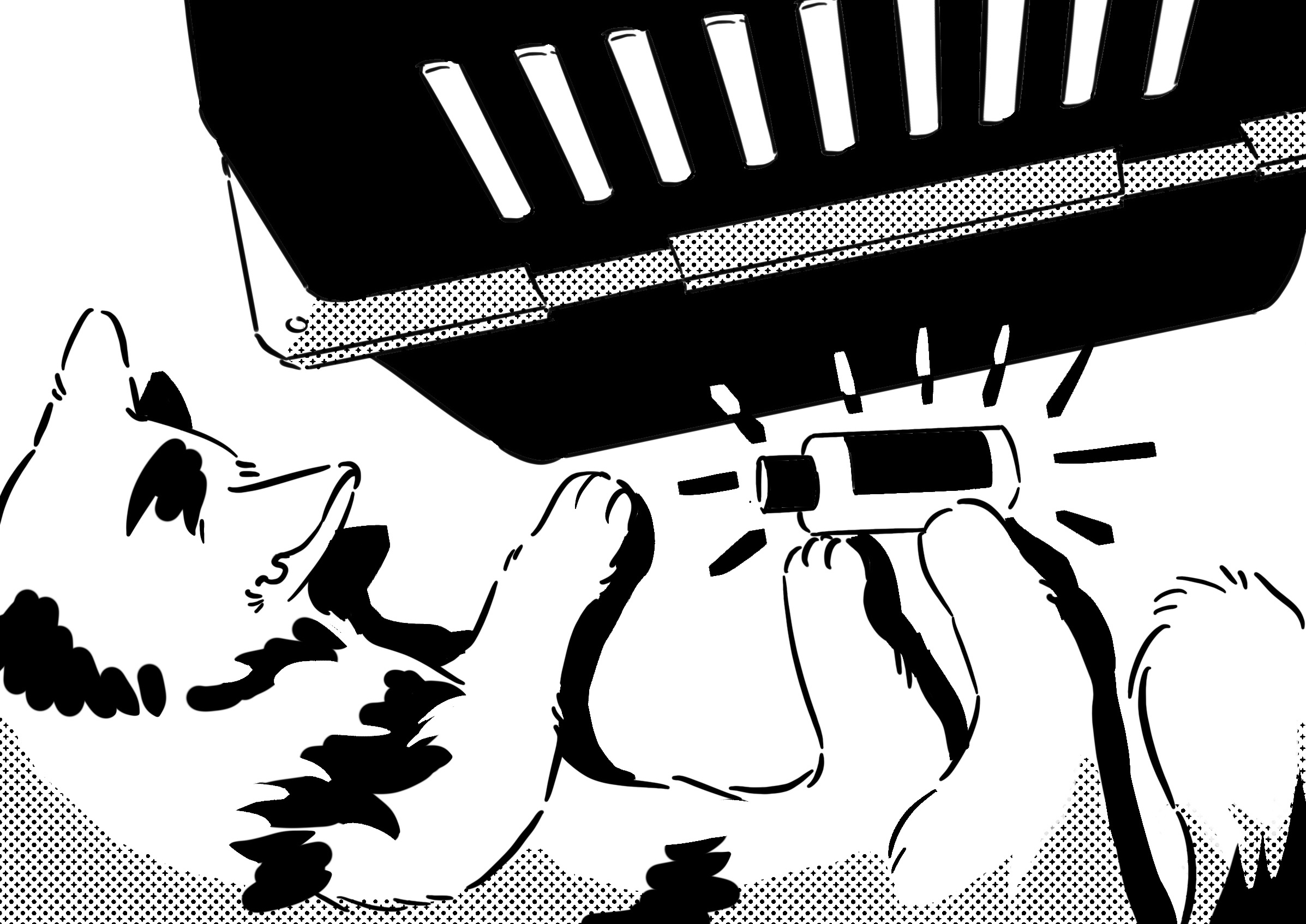
About the Author: Fiona
Fiona is the current President and CEO of Pawer Lab. She makes sure everything is running purrfectly and oversees the day-to-day operations. When Fiona is not working, she enjoys chasing lasers, snacking on treats, or taking long naps in the sun.
Recommended for you