
What Makes Pets Bond With One Person More than Another?
Have you ever noticed how dogs and cats tend to become attached to their humans? You may have noticed a pet following their favorite human around or choosing to cuddle next to them more than other family members. Why do pets tend to bond with one person?
Let’s talk about how dogs and cats' bond with humans, and why they tend to favor one person in a household. We’ll also cover how you can cultivate a bond with your pet.
Attachment Theory in Pets
People often become attached to their pets, but why does a pet become attached to a human? The simplest answer is the “love hormone,” or oxytocin. The human body has this powerful hormone too, but recently it was discovered that animals have it too. For instance, dogs may have a surge in oxytocin when they cuddle with their pet parent. Even though there needs to be more studies, it appears that pups experience a surge in bonding hormones when they feel safe with their human.
What about cats, though? It may seem like dogs are more attached to their owners than cats. But some research has shown that this may not be the case at all. Cats are typically more independent than dogs, but cats demonstrate a similar bonding capacity toward their humans. Furry feline friends may also have oxytocin increases during positive interactions with pet parents.
Oxytocin and attachment go hand-in-hand. The more secure and safer that dogs, cats, and even babies feel when they are young, the higher their oxytocin levels. This enables them to form attachments with caretakers.
How Pet Bonding Behavior is Shaped by Training and Early Life Experiences
To discover why pets bond to one person more than others, it’s necessary to look at the pet’s early life. The first few months of a pet’s development is crucial. For dogs, this crucial window is around 3 to 20 weeks of age. For cats, it’s approximately 2 to 12 weeks. This is the time when they learn socialization while they interact with their moms and litter mates. At this young age, they are exposed to various sounds, sights, and smells while they start navigating their worlds.
Of course, a lot of early socialization for cats and dogs happen with the breeder. It will continue when you bring them with you to their forever home. As you continue to love them and pet them, they will soon realize it’s a safe place for them to settle into. You’ll help them develop trust and secure attachment. In fact, in cats who have secure attachment, their oxytocin levels increase even more.
Can Older Pets Form Attachments?
Adopted and older pets can form bonds with people too. With a little affection, patience, and continued socialization and training, older dogs and cats can become attached too. If you dog or cat has become attached to just one person, it may be that the person:
· Provided care or training during the pet’s crucial socialization period
· Built trust through positive reinforcement
· Gave the pet love and attention throughout the day
· Provided eye contact and other visual communication
· Is the main source of meals and treats
Signs Your Pet has Bonded to One Person
Cats and dogs can have different bonding behaviors. Here are a few signs that your pet has bonded with one person in the house.
Cat Bonding Behaviors
· Checking in with you periodically
· Pushing their head or rubbing against you
· Trying to “groom” your hair
· Exposing their stomach to you while playing or being petted
· Bringing their toys to you
· Sleeping close to you
· Following you around the house
Dog Bonding Behaviors
· Licking you
· Following you around the house
· Making eye contact
· Being excited when you come home
· Coming to you for comfort when they are stressed
· Bringing you outdoor “gifts” or toys
· Acting calm when you are grooming them
Can Pets Bond With Other Family Members?
Yes. Just because your pet has a favorite person, doesn’t mean they won’t bond with other people in the household. There are ways that other people can bond with your pet.
How to Bond with a Cat
· Stay calm. Keep a calm presence around your cat.
· Don’t force interaction. Make your movements predictable and let them approach you. Don’t forcibly pet your cat.
· Use a slow blink. If they look at you, demonstrate contentment by blinking slowly.
· Pet appropriately. After you know your cat’s favorite petting spots, give them lots of affection in those areas. You might use the Pawer Cat Spa Glove to rub their back or head.
· Play when they are ready to play. Engage with them if they bring you a toy, or if they start playing with a blanket you are using. Playing is a great way to develop trust and affection.
· Take turns feeding them. Divide mealtime tasks between family members so your cat gets equal attention.
How to Bond with Your Dog
· Exercise them. Taking dogs for walks, jogging, or outdoor adventures helps create emotional connection.
· Use positive enforcement. Always reward good behaviors. Pivot negative behaviors with a calm voice and positive reinforcement. Yelling or using physical force can cause your dog to become fearful.
· Spend quality time together. Playing fetch or tug-of war or just cuddling together on the couch can help them feel safe and comfortable around you.
· Participate in their routine. Take turns taking the dog out for potty breaks, walks, and feeding them to spread caretaking equally among family members.
· Give them lots of attention and love. Dogs love attention. Be sure to take opportunities to give them belly rubs, scratch their heads, and play with them.
When Should You Be Concerned About Pet Bonding Behaviors?
If you notice that your pet shows anxious attachment behaviors or is aggressive toward others, you may be concerned. They may need extra training or socialization for your cat or dog. These behaviors indicate your pet needs help with attachment issues.
· If your dog has separation anxiety, or panics when you leave the house for any period of time.
· If your dog growls, barks, or lunges at other dogs or people if they get close to you.
· If your cat goes into protector mode when other humans or animals are close. They may look like they are ready to pounce, or they might start hissing at the other person.
· Your pet is too clingy and won’t let you out of their sight.
If your dog or cat only likes one person and is aggressive toward others, you may want to seek professional help. Your vet knows your pet’s history and can rule out other causes.
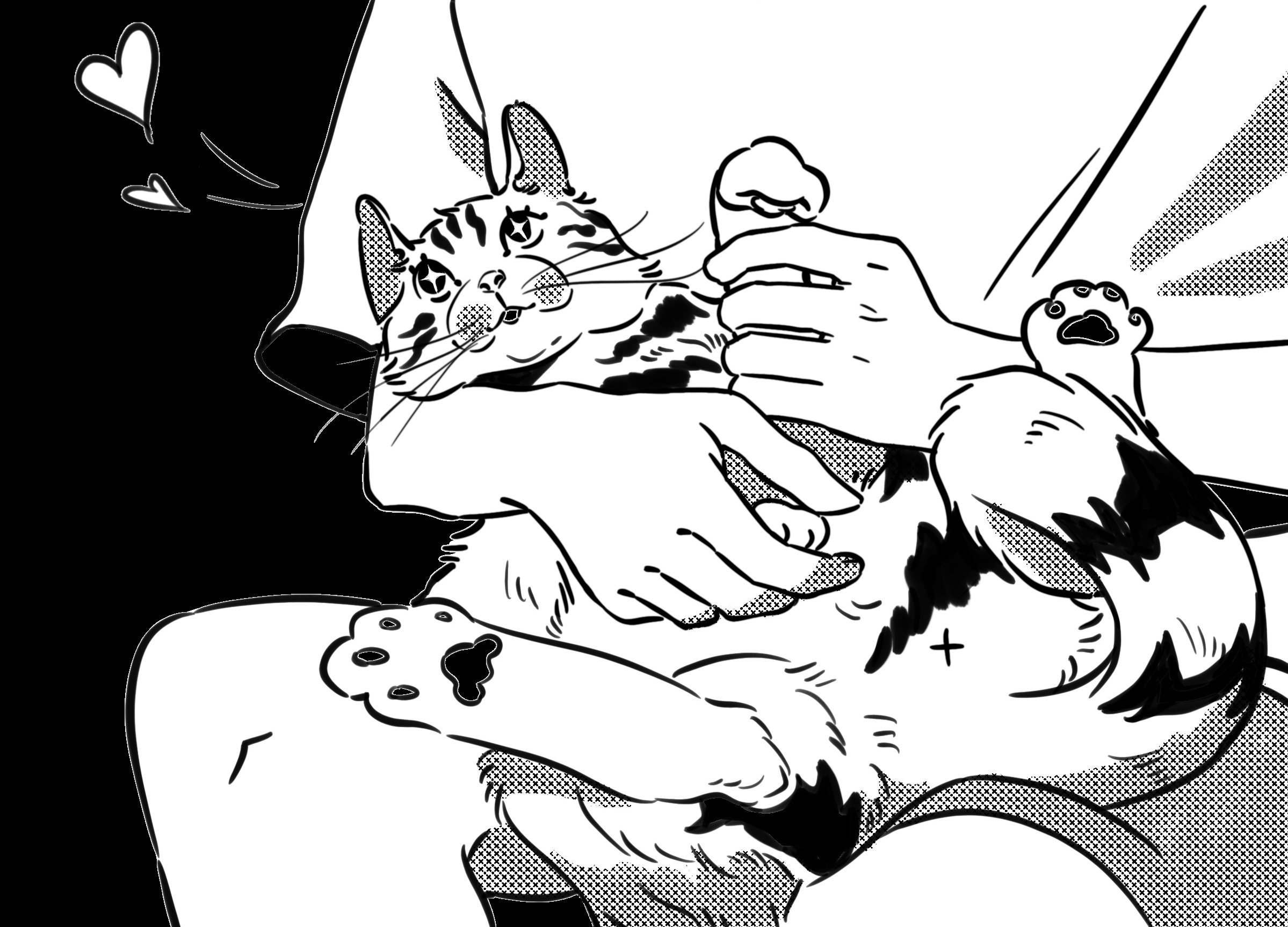
About the Author: Fiona
Fiona is the current President and CEO of Pawer Lab. She makes sure everything is running purrfectly and oversees the day-to-day operations. When Fiona is not working, she enjoys chasing lasers, snacking on treats, or taking long naps in the sun.
Recommended for you