
Why Do Dogs Get Zoomies?
If you've ever watched your dog suddenly run through the house, race around the yard, or dart in circles at full speed, you've witnessed what's commonly called "the zoomies." One moment they're calmly lying on the couch, and the next they're tearing around like they're chasing an invisible rabbit.
While these energetic outbursts may seem strange, they're usually perfectly normal dog behavior. Understanding why zoomies happen can help you know when to simply enjoy the show and when unusual behavior may deserve a closer look.
What Are Zoomies?
The zoomies are brief episodes of intense energy that cause dogs to run, jump, spin, and race around at top speed. Veterinarians and animal behavior experts refer to these episodes as Frenetic Random Activity Periods (FRAPs).
Most zoomie sessions last anywhere from a few seconds to several minutes before your dog settles back down as though nothing happened.
Why Do Dogs Get Zoomies?
There isn't just one reason. Zoomies are usually your dog's way of releasing built-up physical or emotional energy.
Here are some of the most common triggers.
Built-Up Energy
Dogs that haven't had enough exercise or mental stimulation often release extra energy all at once.
High-energy breeds and younger dogs are especially likely to experience frequent zoomies if they haven't had enough opportunities to run, play, or explore.
Excitement
Many dogs get the zoomies after something exciting happens, such as:
- Seeing their favorite person come home
- Getting a new toy
- Going outside
- Playing with another dog
- Anticipating a walk
Their excitement simply overflows into a burst of joyful movement.
Relief After Stress
Some dogs experience zoomies after a mildly stressful event.
Common examples include:
- Finishing a bath
- Leaving the veterinary clinic
- Getting groomed
- Removing a harness or sweater
Running around helps release nervous tension and allows them to relax afterward.
Pure Happiness
Sometimes dogs simply feel good.
When they're healthy, comfortable, and enjoying life, zoomies can be an expression of happiness. Think of it as your dog's version of dancing when they're in a great mood.
Which Dogs Get the Zoomies Most Often?
Almost every dog experiences zoomies at some point, but they're especially common in:
- Puppies
- Adolescent dogs
- High-energy breeds
- Dogs that enjoy lots of play
- Dogs with active personalities
Older dogs can still have zoomies, although they usually happen less frequently as dogs age.
Are Zoomies Normal?
In most cases, yes.
Zoomies are considered a healthy, natural behavior as long as your dog appears otherwise healthy and isn't showing signs of pain or distress.
The key difference is that zoomies are:
- Short-lived
- Playful
- Predictable
- Followed by normal behavior
If your dog seems confused, loses balance, or has repeated episodes that don't resemble normal play, it's worth discussing those behaviors with your veterinarian.
Keeping Zoomies Safe
As entertaining as they are, zoomies can sometimes lead to accidents if dogs are running in tight spaces.
To help keep your dog safe:
- Remove obstacles they could collide with.
- Close doors to rooms with fragile furniture.
- Avoid chasing your dog, which may encourage faster running.
- Let them burn off energy in a fenced yard or other safe area whenever possible.
- Make sure they receive regular daily exercise appropriate for their age and breed.
A tired dog is often a happier, and calmer dog.
Can You Prevent Zoomies?
You probably can't eliminate zoomies completely. You really don’t want to. They're usually a healthy way for dogs to get rid of extra energy.
However, you may notice fewer sudden bursts if your dog enjoys:
- Daily walks
- Interactive play sessions
- Puzzle toys
- Training exercises
- Opportunities to sniff and explore
Mental stimulation is just as important as physical exercise when it comes to managing energy levels.
When Should You Be Concerned?
Although zoomies are typically harmless, contact your veterinarian if you notice:
- Episodes that last unusually long
- Sudden aggression during zoomies
- Limping or signs of pain afterward
- Loss of coordination
- Collapse
- Confusion or unusual behavior after running.
These symptoms could indicate a medical condition rather than normal playful behavior.
Celebrating the Silly Moments
The zoomies may leave you laughing, dodging flying paws, or wondering where all that energy came from. In most cases, these are just one of the many quirky ways dogs express joy, excitement, or relief.
As long as your dog is healthy and has a safe place to run, those hilarious high-speed laps are just another reminder of how much personality our canine companions have.
About the Author: Hazel
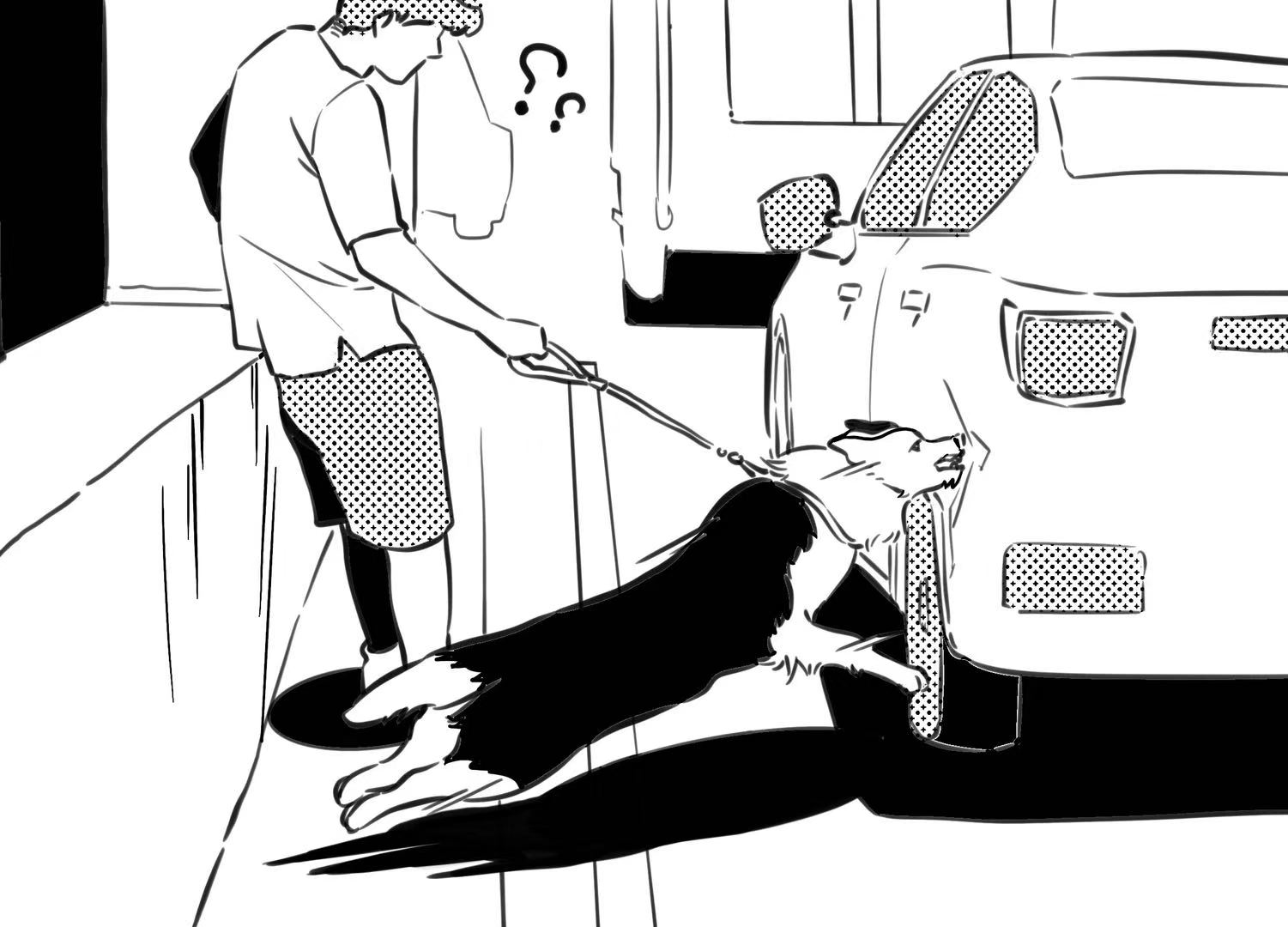
Hazel is the head engineer at Pawer Lab. He develops and tests the latest pup-focused inventions for Pawer Lab. He is passionate about enjoying the small things in life. The border collie’s hobbies include riding in the car, stalking the mailman, and fetching tennis balls.
Recommended for you