
4 Exercises to Do with Your Senior Dog
Watching your dog grow older can be bittersweet. While they may no longer have the endless energy of their puppy years, staying active is still one of the best ways to support their health and well-being.
Regular, age-appropriate exercise helps maintain muscle strength, supports healthy joints, improves balance, and keeps your dog's mind engaged. The key is choosing activities that match your dog's physical abilities and adjusting them as they age.
Before beginning any new exercise routine, talk with your veterinarian, especially if your dog has arthritis, joint disease, or other health concerns.
Why Exercise Matters for Senior Dogs
As dogs age, they naturally lose muscle mass and flexibility. They may also experience stiffness, weight gain, or reduced endurance. Daily movement can help slow many of these age-related changes.
Benefits of regular exercise include:
- Better joint mobility
- Stronger muscles
- Improved balance and coordination
- Healthy weight management
- Increased mental stimulation
- Better digestion
- Improved mood and overall quality of life
Even a few short activity sessions each day can make a noticeable difference.
1. Take Short, Relaxed Walks
Walking remains one of the safest and most effective exercises for senior dogs.
Instead of one long outing, consider several shorter walks throughout the day. This reduces fatigue while still allowing your dog to stretch their legs, explore new scents, and enjoy time outdoors.
Tips for successful walks:
- Walk during cooler parts of the day.
- Choose level, even surfaces whenever possible.
- Let your dog set the pace.
- Bring water during warmer weather.
- Stop if your dog seems tired or uncomfortable.
Remember, the goal isn't distance: it's consistent movement.
2. Improve Balance with Simple Standing Exercises
Balance often declines as dogs age, making slips and falls more likely.
Gentle balance exercises strengthen the small stabilizing muscles that support the hips, shoulders, and spine.
One easy activity is encouraging your dog to stand squarely on all four feet while you reward calm, steady posture. As your dog becomes more confident, your veterinarian or a certified canine rehabilitation therapist may recommend additional balance activities using safe equipment.
These exercises should always be done on a non-slip surface.
3. Encourage Gentle Stretching
Maintaining flexibility can help reduce stiffness and improve comfort.
Using a favorite treat, slowly guide your dog's head to each side, upward, and toward their shoulder or hip. These slow movements encourage natural stretching without forcing uncomfortable positions.
Never push beyond your dog's comfort level. Stretching should be gentle and relaxed, not painful.
4. Build Strength With Low-Impact Activities
Strong muscles help support aging joints.
Simple strengthening exercises include:
- Walking up gentle slopes
- Standing with front paws on a low platform
- Slow sit-to-stand repetitions
- Controlled stepping over low objects
Keep sessions brief, and reward your dog often. Consistency is more important than intensity.
Don't Forget Mental Exercise
Physical activity isn't the only thing senior dogs need.
Mental stimulation helps keep aging brains active and can reduce boredom.
Try adding:
- Food puzzle toys
- Nose work games
- Basic obedience practice
- Hide-and-seek with treats
- Learning simple new tricks
Many senior dogs enjoy these quieter activities just as much as physical exercise.
Watch for Signs Your Dog Needs a Break
Older dogs tire more quickly than younger ones.
Stop exercising and allow your dog to rest if you notice:
- Heavy panting
- Limping
- Slowing down significantly
- Reluctance to continue
- Trembling legs
- Difficulty standing afterward
If these signs occur frequently or worsen over time, schedule a veterinary visit to rule out arthritis, injury, or other medical conditions.
Tips for Exercising Senior Dogs Safely
Keep these guidelines in mind:
- Warm up with slow walking before more active movement.
- Avoid jumping or sudden sharp turns.
- Exercise on grass or other softer surfaces when possible.
- Maintain a healthy body weight to reduce stress on joints.
- Keep exercise routines consistent rather than intense.
- Always provide fresh water and rest breaks.
A little movement every day is often far more beneficial than occasional strenuous activity. After your excursions, take time for gentle grooming. Use Pawer Dog Ear Canal Wipes to keep ears clean.
Help Your Dog Enjoy Their Golden Years
Growing older doesn't mean your dog has to stop enjoying life. With the right combination of gentle exercise, mental enrichment, proper nutrition, and regular veterinary care, many senior dogs remain active well into their golden years.
Pay attention to your dog's comfort level, celebrate small victories, and adapt activities as their needs change. By keeping them moving safely, you're helping them stay healthier, happier, and ready to enjoy more quality time by your side.
About the Author: Hazel
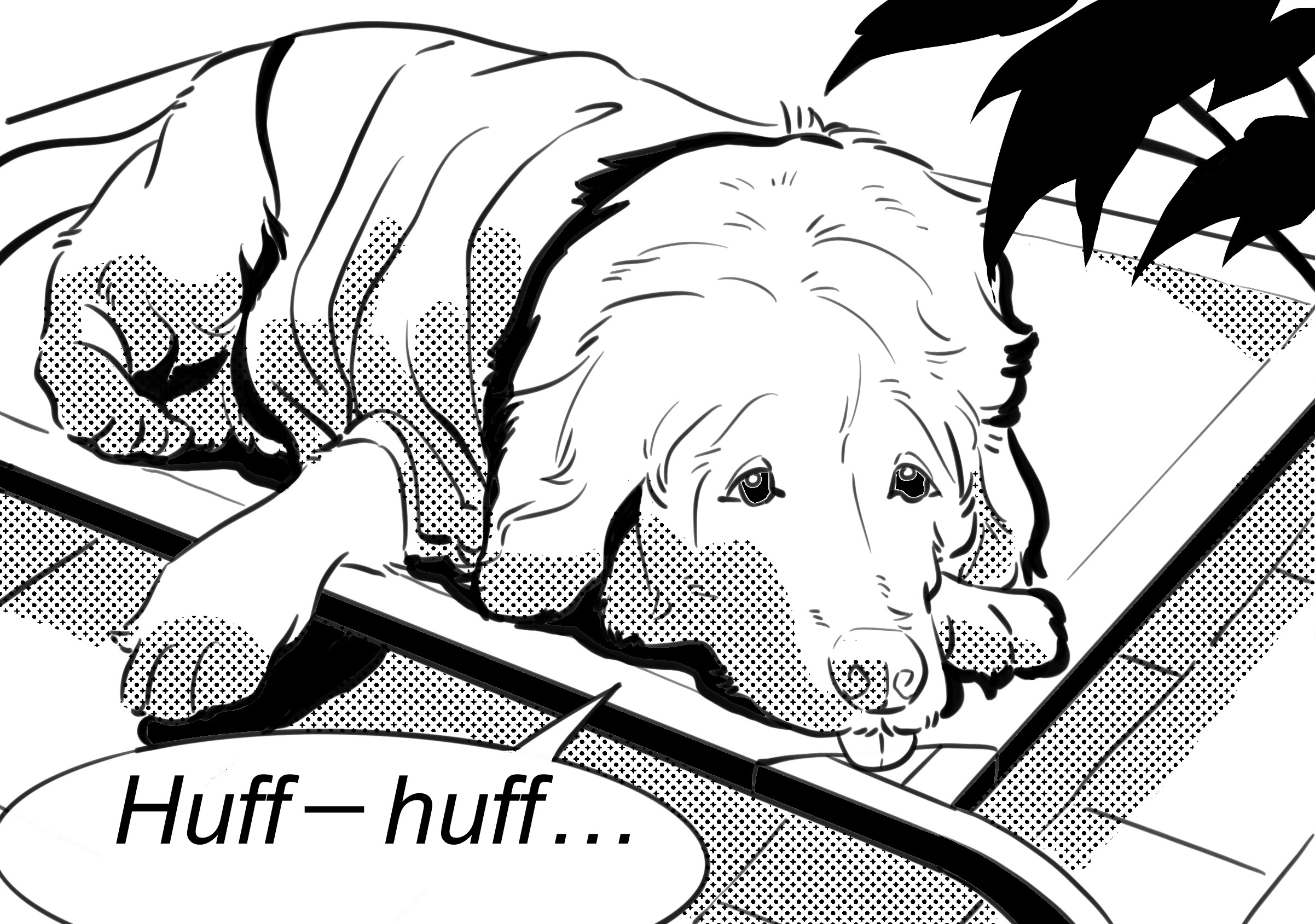
Hazel is the head engineer at Pawer Lab. He develops and tests the latest pup-focused inventions for Pawer Lab. He is passionate about enjoying the small things in life. The border collie’s hobbies include riding in the car, stalking the mailman, and fetching tennis balls.
Recommended for you