
Can Microchipping Help If My Pet Goes Missing?
A lost pet can happen quickly. A slipped leash while out for a walk, an open gate, or a door left slightly ajar can allow your furry family member just enough time to take off. Both collars and ID tags are helpful, but they can fall off or become unreadable. A pet microchip is a permanent form of identification. Veterinary teams and shelters use microchips to connect pets to their owners faster.
Microchipping is one of the simplest methods of increasing the odds you’ll be safely reunited with your pet, especially if it is picked up by animal control.
How Does Pet Microchipping Work?
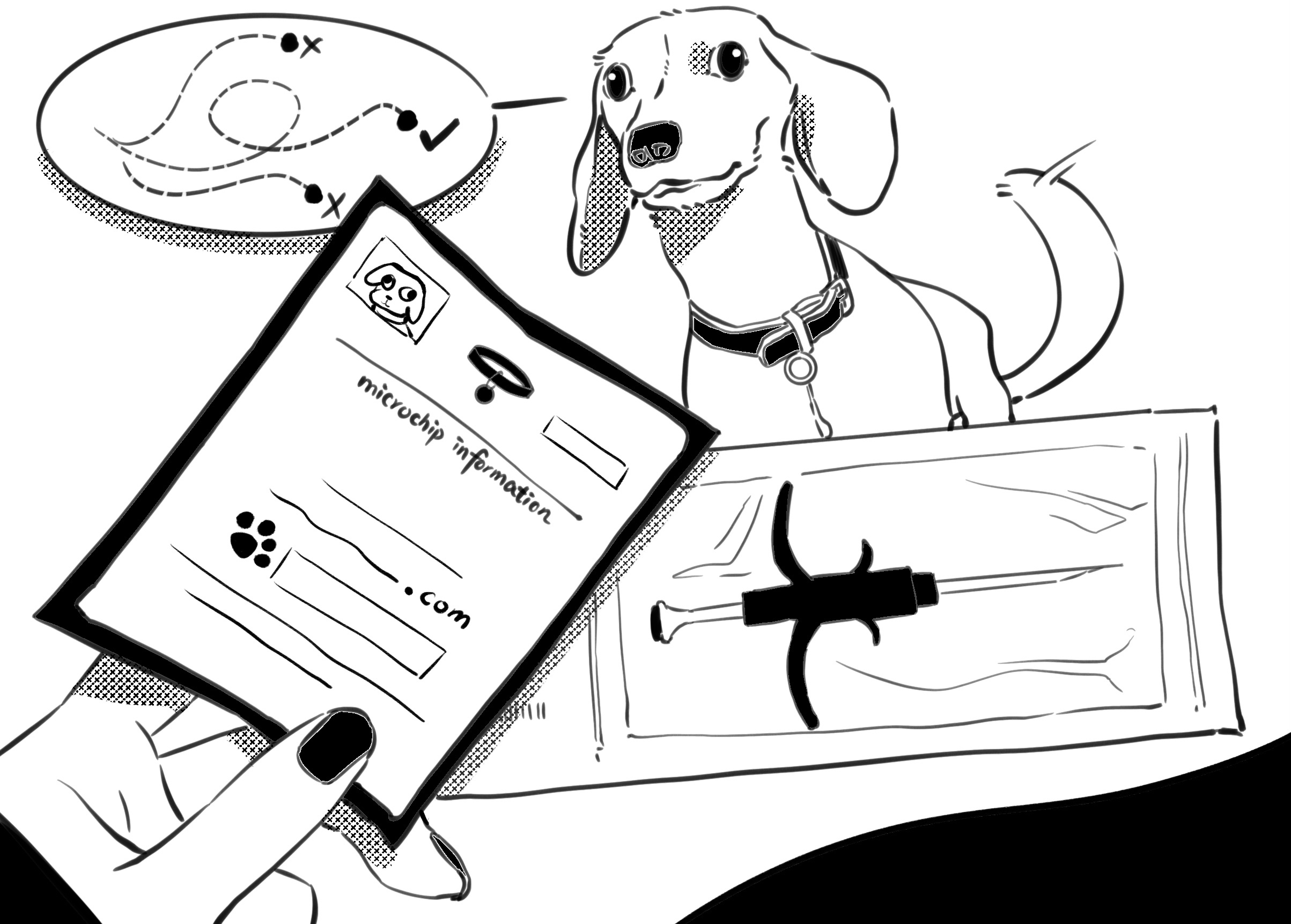
Pet microchipping works by having a tiny device placed under your pet’s skin. It’s usually implanted between their shoulder blades. It doesn’t have a GPS, and it can’t be tracked by location. The microchip stores a unique ID number. When the microchip is scanned at a vet’s office or shelter, the number is read. The number is looked up in a microchip registry to find the pet parent’s contact information.
The microchip itself is half of the system. What makes it work is registering and providing accurate contact information.
How Does a Microchip Help Bring Pets Home Faster?
Many vets and shelters routinely scan found pets, even if they have on a collar. Sometimes, a tag is missing, outdated, or has a phone number that isn’t current. Microchips are more reliable, especially when minutes count.
Microchipping can also prevent unnecessary delays. Instead of waiting for a pet parent to see a social media post or check a shelter list, a staff member can contact you as soon as the chip is scanned and your information is found on the registry.
What Should I Do If I Lose a Pet?
There are many ways to lose a pet. If you discover your pet is missing, you’ll want to act quickly and use several steps all at once. Pairing an immediate search with actions will help the microchip identification more likely to work in your favor.
· Call your local vet offices and shelters to ask them to scan found pets for your ID.
· Double-check your microchip registration. Make sure it’s active and that your contact information is correct.
· File a lost pet report with your local shelter and include microchip details if possible.
· Share clear photos and identifying details about your pet with your neighbors and community groups.
· Keep your phone close and answer calls from unknown numbers. Many reunions happen through quick callbacks.
The Key is Registration and Updates
A common issue that occurs with microchips isn’t the chip, but outdated contact information. If you move or change your phone number or email address, update your registry file right away. It’s also important to know the brand of microchip that is used since different manufacturers use different databases.
If you are not sure if your pet is microchipped, your vet can scan your pet to find out.
About the Author: Fiona
Fiona is the current President and CEO of Pawer Lab. She makes sure everything is running purrfectly and oversees the day-to-day operations. When Fiona is not working, she enjoys chasing lasers, snacking on treats, or taking long naps in the sun.
Recommended for you