
Helping Your Dog with Osteoarthritis Exercise Safely
Does your dog have osteoarthritis or OA? About 40% of all dogs are affected by OA. It is a common source of chronic pain. It doesn’t just impact senior dogs, either. Osteoarthritis can affect dogs of any size, age, or breed. The good news is that there are a lot of things that can be done to help dogs with osteoarthritis manage their pain, so that they can have a good quality of life for many years to come.
If your dog has OA, talk to your veterinarian about ways to manage related pain. There are several new osteoarthritis medications available to help manage OA pain in dogs. Exercise is one thing that can help improve mobility, reduce inflammation and pain, strengthen muscles, and help keep your dog active. It can also be helpful for maintaining a healthy weight. And it can also help boost the bond you have with your canine family member.
Your vet can help ensure you get the right kind and right amount of exercise to help your dog with osteoarthritis. Here are a few tips to get you started with a safe, effective exercise program. Just be sure to check with your vet for specific guidelines for your dog’s unique needs.
5 Exercises for Dogs with Osteoarthritis
Your dog should have mastered the basic obedience commands before starting any kind of exercise plan. Your vet can help you develop one that is best suited to your canine companion’s needs. Plans may vary depending on which part of your dog’s body is affected by osteoarthritis and how severe it is. It’s also important to remember that new exercises should be introduced to your dog slowly to prevent extra stress or injuries.
You’ll want to choose low-impact exercises that won’t stress your dog’s joints too much. Here are a few options to consider for dogs that are dealing with OA pain.
1. Walking.
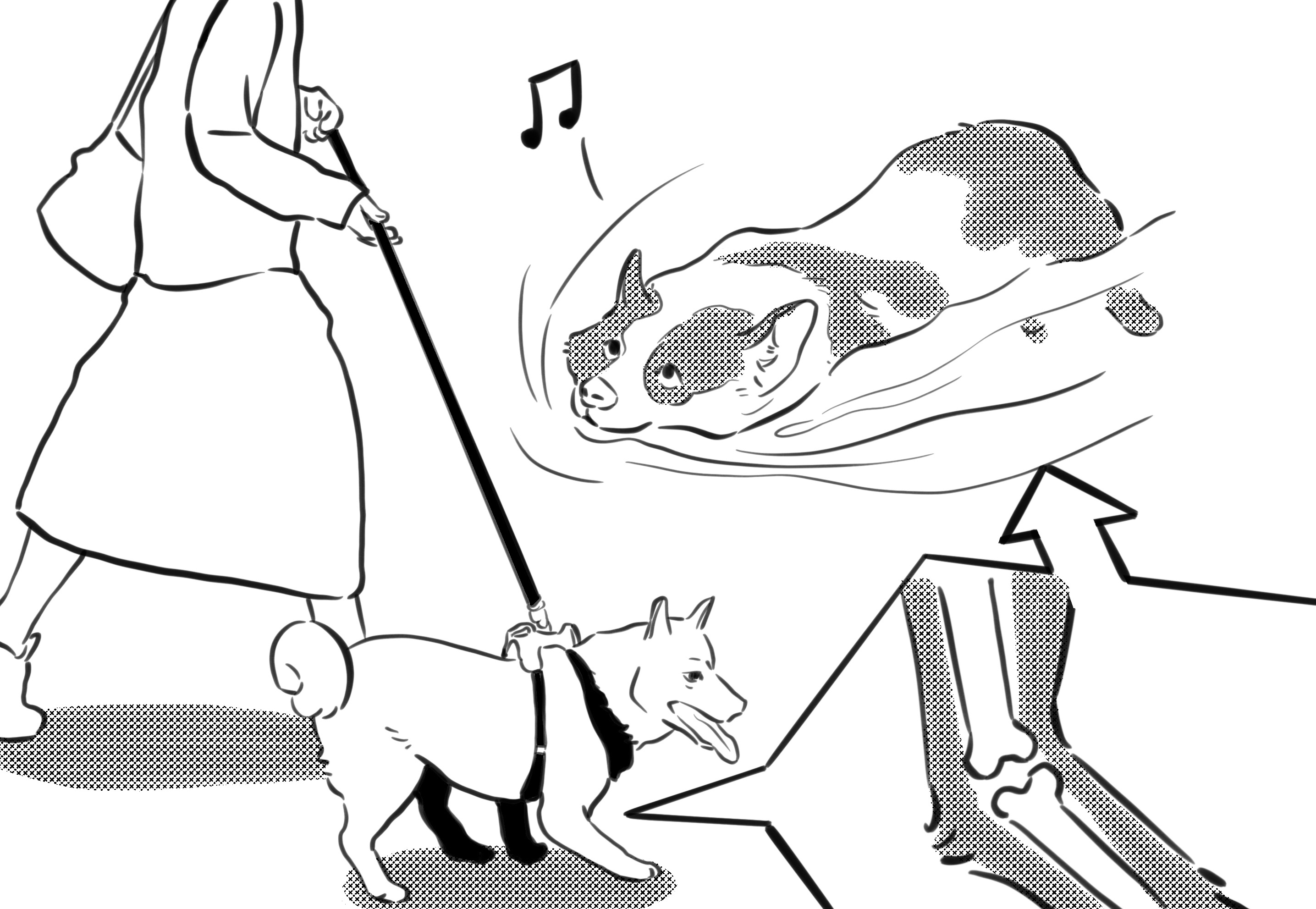
Walking is a great low-impact way to get your dog moving. Start with very short walks and gradually increase the time and distance as your dog becomes conditioned and their mobility improves. Try finding a level path without much of an incline. If your dog experiences stiffness when getting up, start with a short, low impact, walk on a smooth, flat surface just to get their joints used to moving.
Make sure to clean their fir and paws with a Pawer Dog Wipes after walking outdoors. It’ll help keep pollutants and irritants away from their skin!
2. Swimming.
Water’s buoyancy helps reduce the pressure on joints. This makes it easier for dogs to get some exercise and move their joints. The water provides a resistant force as the dog moves through it, which helps increase their endurance, muscle strength, and range of motion. If they have the chance to swim in warmer water, the increased temperature can help increase blood flow to their limbs which can be particularly soothing. If your dog hasn’t swum before, take some time to slowly get them used to it.
3. Range of Motion Exercises.
Gently move your pet’s joints through their full range of motion. Be careful and go slowly so you don’t cause any pain or discomfort. Range of motion exercises can help improve joint movement in dogs with osteoarthritis.
4. Stretching Exercises.
Gentle stretching can help improve a dog’s mobility and flexibility. Focus on stretching muscles connected to the joints affected by OA, especially the hips and knees. Ask your vet to show you some stretching and range of motion exercises to try at home.
5. Indoor Games and Activities.
Playing gentle games and activities indoors with your dog can help keep them entertained while also improving their mobility. Make it even more enjoyable by providing their favorite healthy treat. Be careful not to push them too hard. Watch for signs that they are slowing down, laying down, panting more, or disengaging. Indoor playtime should consider the most affected part of your dog’s body.
About the Author: Hazel
Hazel is the head engineer at Pawer Lab. He develops and tests the latest pup-focused inventions for Pawer Lab. He is passionate about enjoying the small things in life. The border collie’s hobbies include riding in the car, stalking the mailman, and fetching tennis balls.
Recommended for you