
How to Help a Car Sick Dog
Having a car sick dog can be miserable for both you and them. A lot of dogs get car sick, so it’s very common. The good news is that there are several options for you to help your car sick dog feel better physically and emotionally while riding in the car.
· Motion sickness is the main cause of car sickness in dogs, especially in puppies.
· Symptoms include drooling, whining, vomiting, and car ride anxiety.
· You can ease car sickness with careful driving, breaks, calming aids, or vet-recommended medications.
What causes dogs to get car sick?
Motion sickness causes dogs and humans to get sick when riding in a car. When riding in a moving car, the brain gets receives a signal from the eyes about the direction and movement around the body. The inner ear’s balance system is also sending signals to the brain at the same time. These two mismatched signals can trigger nausea and vomiting. No one knows why some animals and humans get motion sickness and others don’t.
It is more likely for puppies to experience car sickness since their balance system is still developing. Some puppies outgrow car sickness as they get older.
Recognizing Car Sickness in Dogs
Dogs display the same signs of car sickness as humans do. Vomiting is the most noticeable sign of car sickness in dogs. However, it’s important to know some of the other common signs, so you can recognize them quickly on trips.
Signs of Car Sickness in Dogs
• Whining or crying
• Panting excessively
• Lip licking excessively
• Drooling
• Shaking
• Dry heaving or vomiting
• Bracing stance or inactivity
• Defecation
• Not wanting to get in the vehicle
How to Manage Dog Car Sickness
You may be able to minimize or prevent car sickness in dogs. Here are a few tips to help you out. Please note that you may need to use one or combine several methods to help relieve the signs of car sickness for your canine companion.
• Delay Feeding. If your dog has an empty tummy, they are less likely to vomit. If possible, don’t feed your pup for 8 hours up to the car ride. For puppies less than 4 months old, don’t give them food for 3 to 4 hours before your ride.
• Cold Temperature. Bring some fresh, colder air into the window by opening it a little bit. If it is warm outside, make sure the air conditioning is set to keep your furry friend cool.
• Toys. If your dog loves toys, let them play with or chew on their favorite toys on car trips. This gives them a positive connection to traveling and can help reduce car riding anxiety.
• Positive Smells. A dog’s superpower is having an amazing sense of smell. You can use this to help calm them during car rides. You can bring their favorite toy, mat, or clothing along so they have a soothing scent of home. You can also spray the car seat with canine pheromone, which provides a calming scent only dogs can smell.
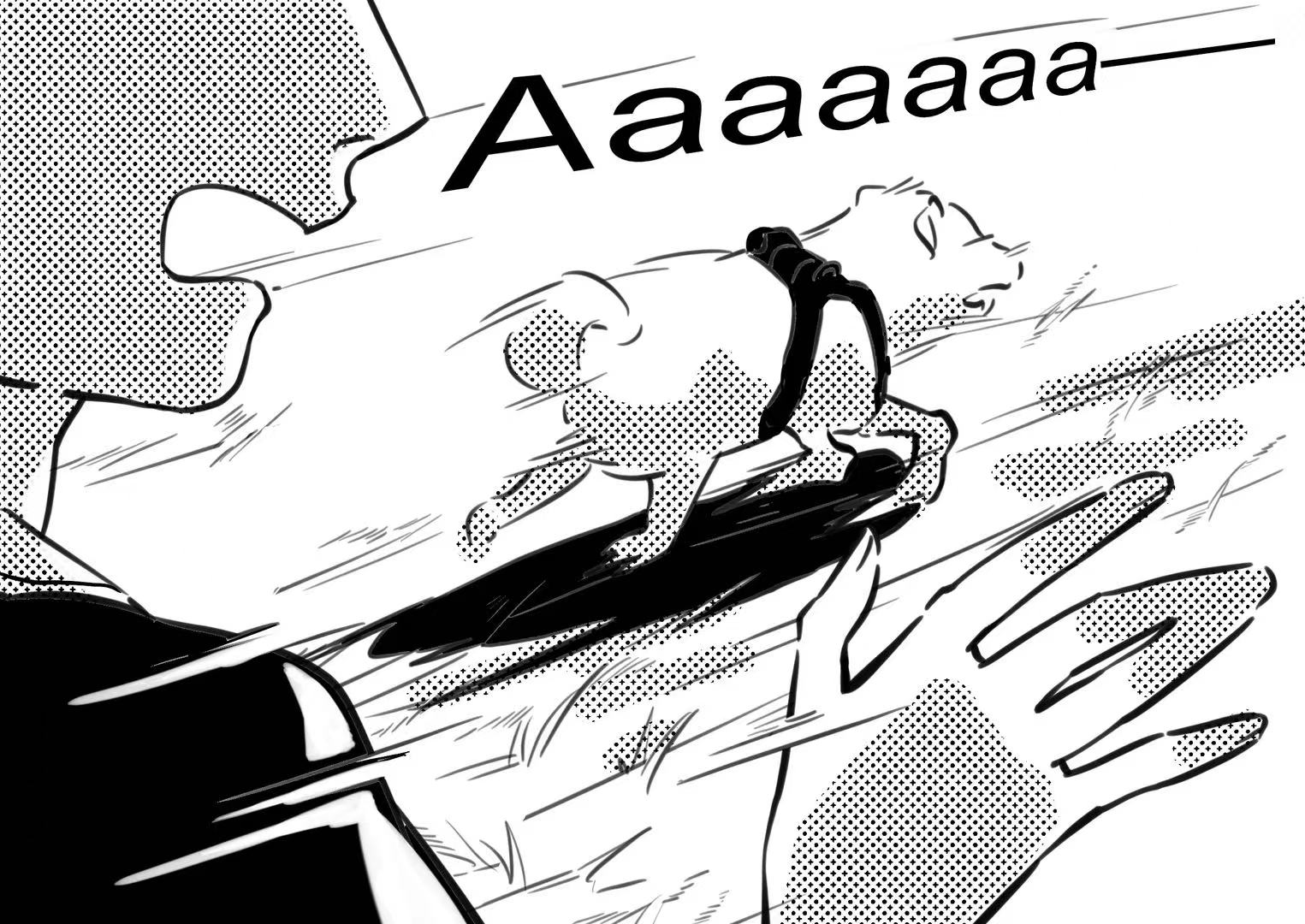
• Safety Restraints. When a dog gets car sick, they may try to escape from the car. This is a natural behavior for them, but very dangerous. Make sure your dog is restrained safely in your car by using a harness, crate, or carrier.
• Driving Cautiously. Intentionally drive carefully. Try not to brake quickly. Take curves easy and avoid the scenic route. Your dog will appreciate driving directly to the destination!
• Medications or Supplements. Talk to your veterinarian about your dog’s car sickness. They can determine if there is a medication that can safely help deter car sickness.
How to Help Your Dog Adjust to Car Rides
Gradually increasing exposure to the car and traveling can help your dog get used to it. It can take a few days or weeks to help them adjust. Here are a few tips to help your dog get used to car rides.
1. Give your dog a break from the car. Wait a week, or even two. Slowly reintroduce the to the car without going on a drive. Use positive reinforcement to give them a positive association with the car. Walk around the car with their favorite toy or treat. If they do not show any signs of stress or sickness, use treats to encourage them to get inside the car. Don’t force it. If at any point your dog shows signs of stress or sickness stop. Come back and start over another day.
2. Each time progress is made, proceed to the next step:
• Turn the car on.
• Start with a short trip around the block.
• Take car rides for short, fun excursions. (to a park or a friend’s house)
• Take a trip to the vet with no exam just treats.
3. Gradually take longer rides to help your dog adjust and adapt to the movement of the car. For a lot of dogs, this type of conditioning can reduce the need for medications and make car riding more enjoyable for them and their humans!
About the Author: Hazel
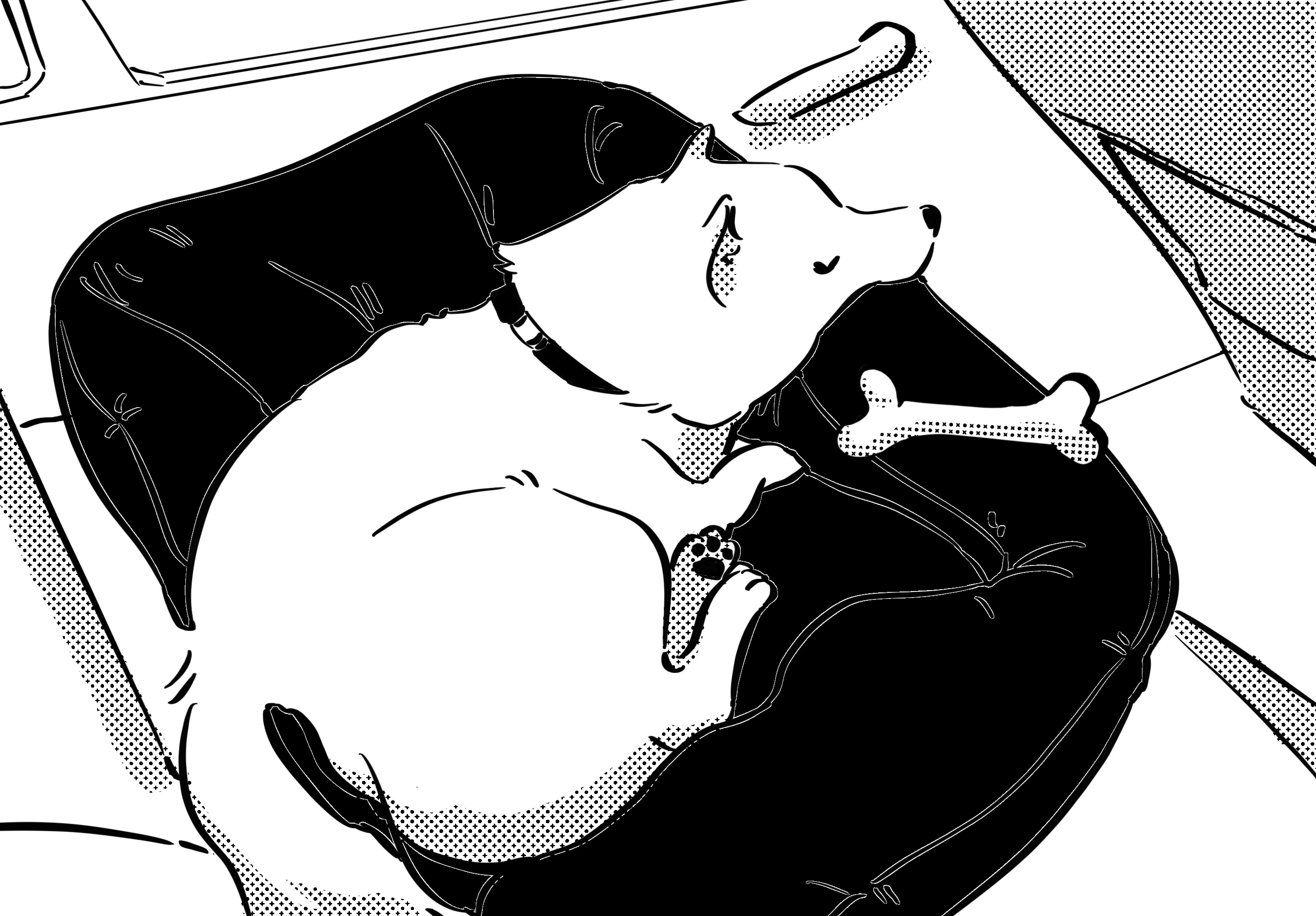
Hazel is the head engineer at Pawer Lab. He develops and tests the latest pup-focused inventions for Pawer Lab. He is passionate about enjoying the small things in life. The border collie’s hobbies include riding in the car, stalking the mailman, and fetching tennis balls.
Recommended for you