
What if my Cat Gets Gingivitis?
The mouth plays a crucial role in your cat’s overall health. Cat gingivitis can cause them discomfort and complications. Cat gingivitis is a common dental condition in cats. It affects the gums and causes inflammation, redness, and pain. If it is not treated, it can become a serious problem that affects your cat’s ability to eat, which affects their overall health and well-being.
Routine checkups with the vet and examining your cat’s mouth often can often prevent cat gingivitis or catch it early so that it can be treated successfully.
Key Takeaways:
· Early detection matters: Watch for signs like swollen gums, bad breath, or changes in eating habits to catch gingivitis before it worsens.
· Prevention is possible: Regular vet checkups, dental cleanings, and at-home care (like brushing or using dental wipes) help protect your cat’s oral health.
· Treatment is effective: With proper veterinary care—including x-rays, medication, or extractions if needed—cats with gingivitis can recover and stay healthy.
What Does Cat Gingivitis Look Like?
Gingivitis in cats is usually subtle to start out. As it becomes worse, symptoms are more noticeable. Knowing the early signs of cat gingivitis can help you get treatment early before it leads to severe oral health problems.
Cat Gingivitis Symptoms
• Swollen, Red Gums. Swollen gums are the most obvious symptom of cat gingivitis. You might notice a deep red or bright pink color along your cat’s gum line.
• Bad Breath. If your cat has bad breath all the time, it might be a sign they have gingivitis. This is caused by the buildup of bacteria in the mouth.
• Excessive Drooling. When the gums are inflamed, it can make your cat uncomfortable and cause them to drool more.
• Trouble Eating. You may notice changes in your cat’s eating habits. They may eat more slowly, prefer softer foods, or drop their food.
• Pawing at Their Mouth. When a cat is uncomfortable, they may paw at their mouths to try to relieve pain from gingivitis.
• Bleeding Gums. If your cat’s gums bleed, it may be a sign of advanced gingivitis.
If you notice any of these symptoms in your cat, schedule an appointment with their vet as soon as possible. The sooner cat gingivitis is discovered, the easier it is to treat.
What Causes Gingivitis in Cats?
Gingivitis in cats develops when their gums become swollen. What causes a cat’s gums to become inflamed? Most of the time, it is due to the buildup of bacteria and plaque. But there are other factors that can contribute to it as well.
Poor Dental Hygiene
Just like humans, we cats need regular dental care to keep their teeth and gums healthy. Routine dental cleanings help prevent plaque from building up along the gum line. Once it starts to build up, it hardens into tartar, which leads to inflammation. Pawer Cat Wipes are specifically designed to be used as a plaque-breaking tool to help protect or improve your cat’s oral hygiene.
Diet and Nutrition
Cats that eat a diet of mostly soft or wet food seem to be more susceptible to gingivitis. Dry kibble can help remove plaque, but wet food lets bacteria build up faster on their teeth.
Other Health Conditions
Sometimes, underlying health conditions increase the risk of gingivitis in cats. Health conditions like feline leukemia (FeLV), feline immunodeficiency, and diabetes weaken the immune system and make us more susceptible to gum disease.
Breed Predisposition and Genetics
Some cat breeds are more likely to have dental issues than others. Siamese and Persian cats, for instance, have a greater risk of developing cat gingivitis because of their genetic makeup and jaw structure.
Age Related Changes
As cats get older, immune systems weaken, which affects their ability to fight infections, including gum disease. Older cats are more likely to develop gingivitis along with other dental problems.
How is Cat Gingivitis Diagnosed and Treated?
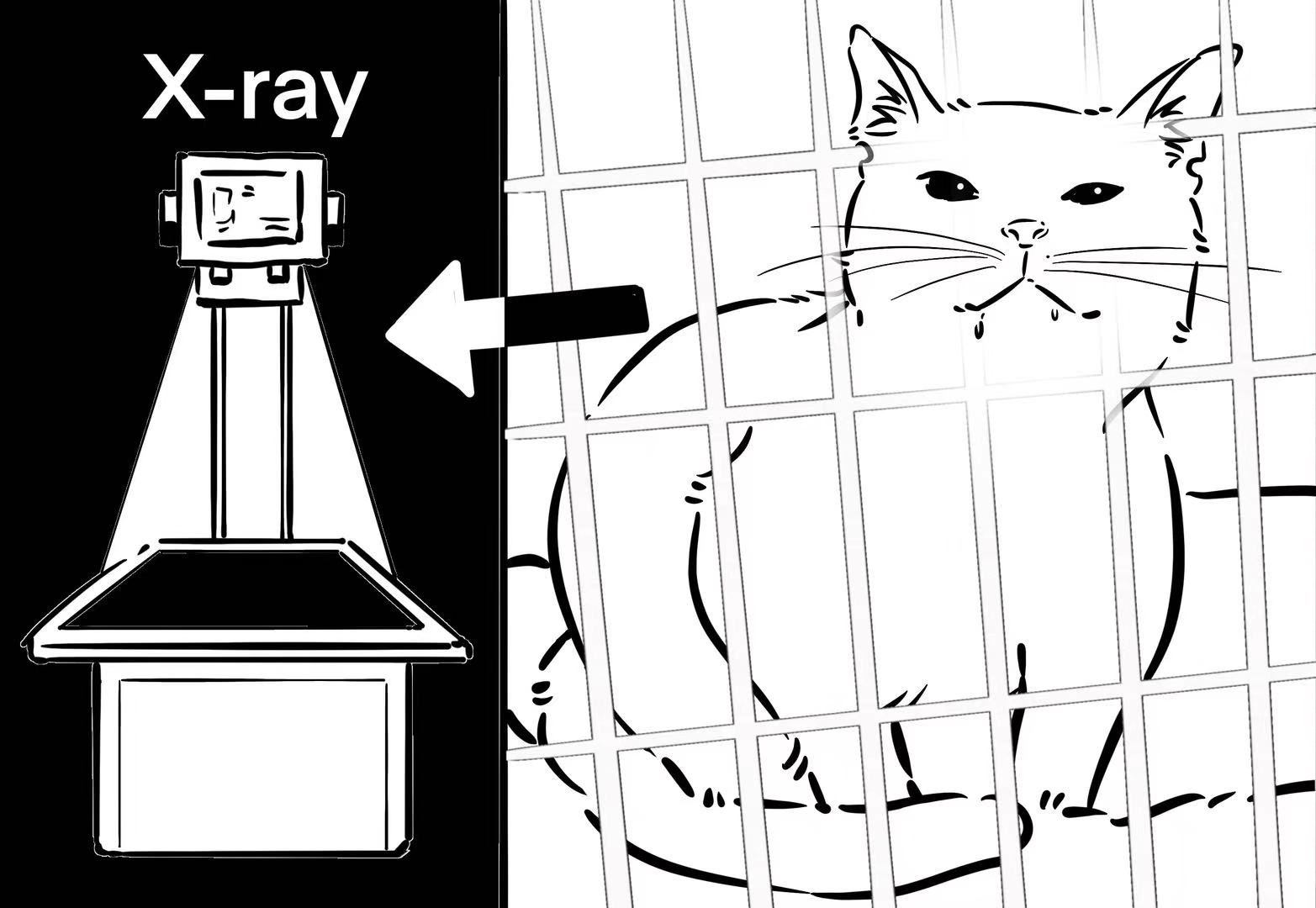
Cat gingivitis is diagnosed by a thorough oral examination. A vet may do an x-ray to see how extensive the inflammation is and to determine any other possible underlying issues. Once it is diagnosed, the vet will develop a treatment plan depending on its severity.
Treatment Options may include:
• Dental x-rays
• Medications
• Tooth extractions
How to Prevent Cat Gingivitis
Taking a proactive approach to your cat’s dental care can help prevent cat gingivitis. Regular visits with the vet, at-home care, and dietary choices all help maintain your cat’s oral health.
• Regular Veterinary Checkups. Regular dental checkups with the vet can help find early signs of gingivitis before it progresses into severe dental disease. The vet can assess your cat’s gums and recommend specialized dental care.
• Daily or Weekly Gentle Cleaning. You can brush your cat’s teeth with a veterinarian-approved toothpaste or use Pawer Cat Wipes to clean their teeth.
• Dental Treats and Diet. Some dry cat foods are formulated to help prevent plaque and tartar from building up on cat’s teeth. Your vet can recommend the best products for your cat’s oral health.
About the Author: Fiona
Fiona is the current President and CEO of Pawer Lab. She makes sure everything is running purrfectly and oversees the day-to-day operations. When Fiona is not working, she enjoys chasing lasers, snacking on treats, or taking long naps in the sun.
Recommended for you