
What to Do When Your Cat Seems Too Clingy
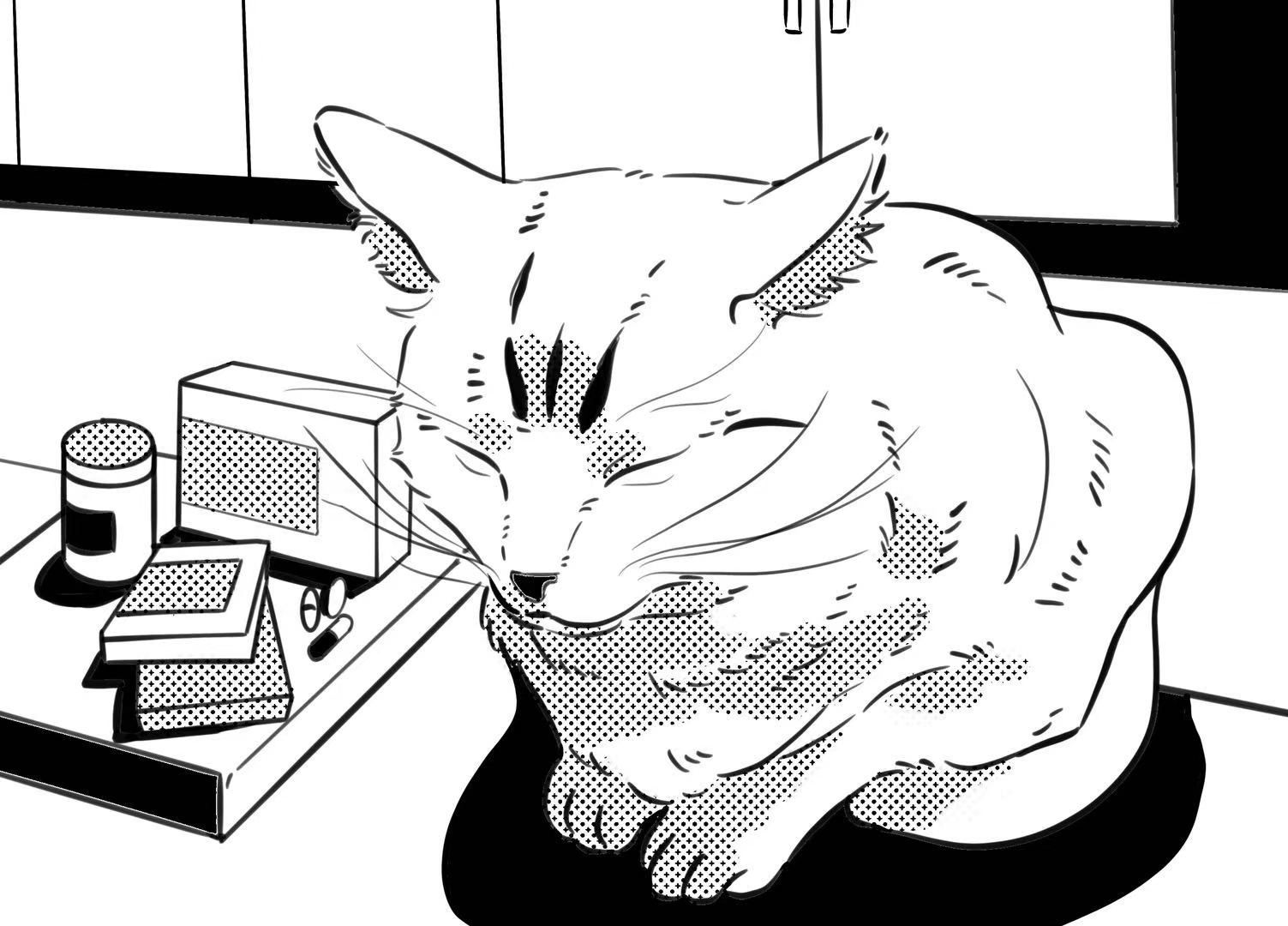
There are a lot of reasons for cats to be clingy. It is sometimes something small like changes in their environment. They may also be trying to express an emotional or physical need. As cats, we typically enjoy affection. But if there is a sudden or constant clinginess, your feline friend may be trying to express anxiety or adapt to change.
Signs of a Clingy Cat
Like humans, cats can have our own way of showing affection. But there are some behaviors that can be signs that they are becoming clingy. Here are a few signs to watch for.
· Meowing, nudging, staring, or pawing for attention throughout the day.
· Insisting on sitting on your lap, head, or shoulders constantly.
· Acting stressed out if you leave the room, the house, or their sight.
· Following you around.
· Refusing to do anything like play with toys, eat treats, or lay in their favorite spots unless you are close by.
Learning the signs of a clingy cat lets you act quickly to gently guide them toward more independence and confidence.
Possible Reasons Cats Get Clingy
Do you have a clingy cat? Maybe you’ve noticed your cat being clingier lately but wasn’t sure about it. Most of the time, a cat’s increased clinginess is due to a change in their environment, routine, or their health. Here are a few common causes.
· Changes in the household. Moving, getting a new pet or a new baby, having more visitors, or a change in your daily schedule can cause cats to become unsettled.
· Separation anxiety. Cats form deep attachments, which may make it difficult for them if they are left alone for a long time.
· Medical conditions. When a cat develops health issues like dental pain, arthritis, or gastrointestinal problems, they may see extra reassurance and comfort from you.
· Aging or cognitive changes. Older cats often become more dependent as their memory, senses, and confidence changes.
· Natural temperament. Some cats are more affectionate by nature. This can also be affected by their specific breed. For instance, Ragdolls, Scottish folds, and Burmese, all tend to be more affectionate and clingier.
If you notice that your cat has become clingier lately, they may just be increasing their show of affection because they are emotionally bonding with you or trusting you more.
Remedies for Clingy Cats
It’s important to help your cat feel more secure without relying on your presence. It will take some thought, patience, and support. Here are a few things you can try if you all of a sudden have a clingy cat.
· Create safe spaces. Set up some areas for your cat which will allow them to be stress-free. Try a cozy bed, cat trees, enclosed hideaways, or window perches.
· Maintain a routine. Routine means consistent play sessions, quiet hours, and mealtimes for your cat. It can help them feel safe and grounded.
· Offer mental enrichment. Puzzle feeders, cardboard mazes, bird-watching stations, or interactive toys can stimulate your cat. This can be useful, especially when you are busy.
· Encouraging gradual independence. Step out of the room for very short periods, then reward calm behavior with soft petting, treats, praise, or anything your furry family member enjoys.
Know When to Call the Vet
If you notice your cat is clingier than before, it’s always good to check in with your vet. A quick exam may reveal any medical issues that are easier to treat if found early.
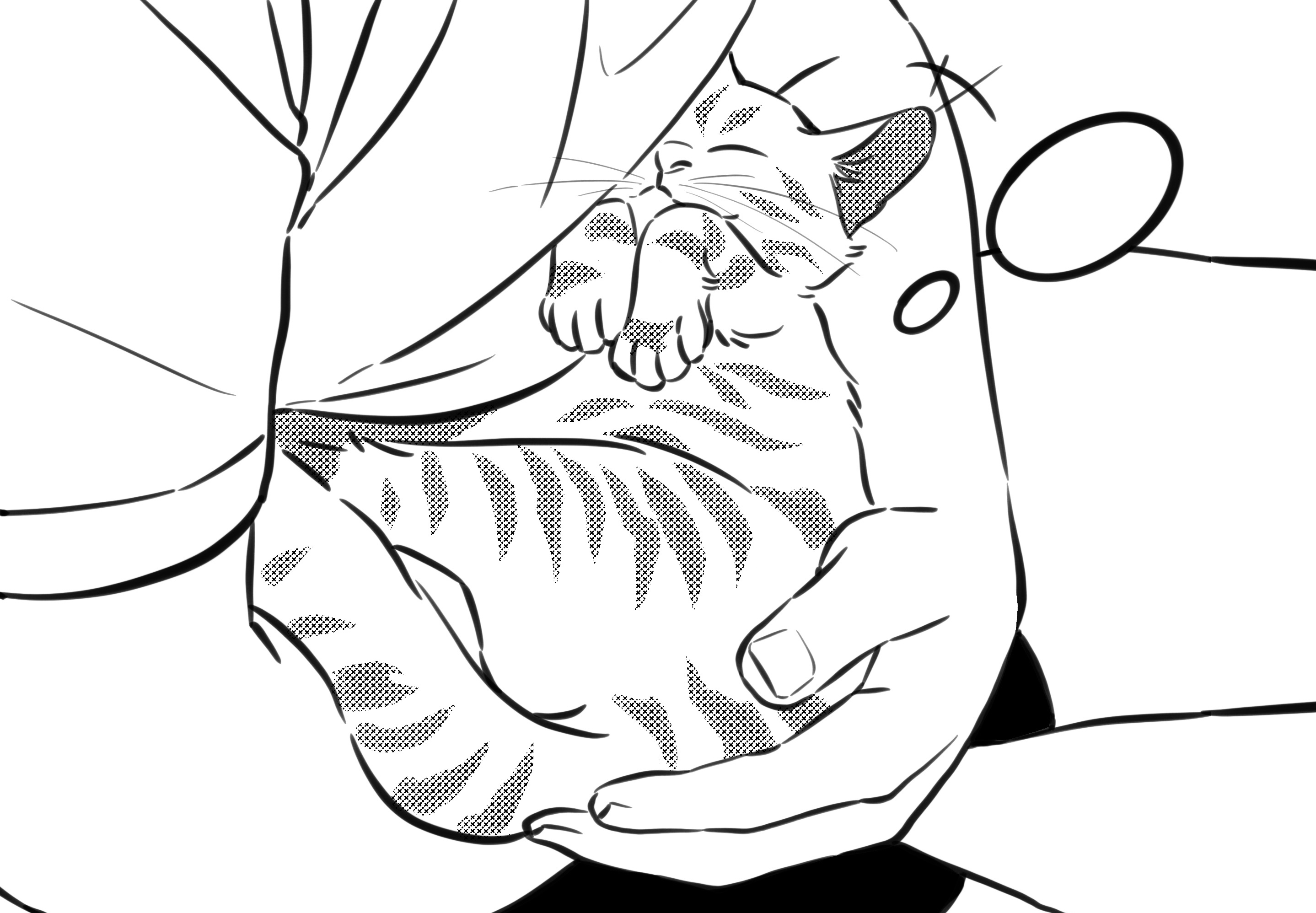
About the Author: Fiona
Fiona is the current President and CEO of Pawer Lab. She makes sure everything is running purrfectly and oversees the day-to-day operations. When Fiona is not working, she enjoys chasing lasers, snacking on treats, or taking long naps in the sun.
Recommended for you