
Why do Puppies Chew on Everything?
You may not realize this, but dogs are not born with good manners. They will actually learn behaviors from you, their pet parents. This is why it is important for you to be dedicated, consistent, and patient with your pup. Maybe you only brought your puppy home recently to find out that puppies chew and nibble on everything!
Chewing and biting are normal behaviors for a young dog. With proper training, it can be reversed. We’ve compiled some tips you can use to help your puppy stop chewing on everything. Let’s start with why your furry family members like to bite and how you can train them to have positive habits instead.
Puppy Biting Behavior
Just like a young child, a puppy will quickly learn how to navigate their world and environment. Many times, this involves using their mouths to play and explore things. Puppies also go through teething stages between 12 and 16 months. This can vary greatly depending on the specific breed.
When you think about how they are losing baby teeth and getting permanent ones, it makes sense that they start to bite things. The problem is as they mature, biting becomes a habit, and it can be unsafe and painful. It’s important to teach your puppy that chewing is an unacceptable behavior. There are some healthy ways to satisfy a pup’s biting instinct without hurting them, so that they grow up to be a well-behaved adult dog like me!
7 Tips to Train Puppies to Stop Chewing
If you are dealing with a puppy that is chewing on everything, start with a consultation with your veterinarian. Talk about the specific needs and behaviors of your furry friend. You can also sign them up for behavior classes or work with a professional dog trainer. While you are deciding on how you can elicit the help of professionals, there are some things you can do on your own to help your pup grow up into a well-behaved adult dog who understands biting others and chewing is not acceptable. Here are seven expert tips.
1. Keep a chew or tug toy available.
At the first sign of excessive chewing, give your puppy a vet-approved chew toy. This will help you redirect your dog’s behavior to an appropriate toy. This helps you begin your pup’s training and gives some relief during their teething stage.
Tug toys can be helpful if your pup is nipping at your heels while you walk. When they nip at your heels, stop walking, then wave the tug tow at them and invite them to use their mouth on the toy instead. Once they accept your invitation, start walking again while they are tugging on the toy. This helps redirect their behavior, which helps them learn that toys are for biting, but feet are not.
Note that you want to avoid aggressive behaviors with tug toys. Make sure that you are initiating tug play and teach your pup how to give up the toy by rewarding them.
2. Respond to biting with high-pitched shrieks.
When puppies are still hanging out with their litter buddies, they learn what hurts other pups. When your puppy bites you, respond with a loud shriek telling them that they hurt you. This mimics the loud yelp of a young pup and communicates a resounding “ow!” When they bite you, or even touch your skin with their teeth, squeal, shriek, or say “ow!” Your response should startle them, and they learn to redirect behaviors in more appropriate ways.
Please note that you are not yelling, it should be a high-pitched yelp or shriek. Yelling aggressively or loudly might scare your pup. Also, pay attention to their reactions. High-pitched yelps may work for some dogs, but it can rile your pup up instead. Dogs love attention and they may see your yelp as an invitation. You will be able to determine if this will work well for your pup or not.
3. Stop playtime when biting happens.
When your puppy bites you, stop whatever you are doing. If you were talking, petting, or playing with your dog, stop the action. Remain calm, put your hands under your arms, then turn around or leave the room. After waiting a minute or two, return to your pup and start the activity again. When they start nipping or biting, use this method again, or use a high-pitched shriek. This communicates to your puppy that biting isn’t okay and playtime ends when they bite.
4. Keep your pup active.
Puppies can be like children. They have a lot of extra energy, and they need somewhere to put it. Puppies chew, bite, and act out sometimes because they have too much energy, or they are bored. This can be true with dogs of all ages, which is why bite training is important early on. Make sure your dog gets plenty of mental and physical stimulation throughout the day. Take routine walks, play fetch, and introduce them to interactive puppy toys. Spend time grooming and brushing them to help strengthen the bond between you. Using Pawer Dog Wipes for grooming and dental care can help build trust while doing a safe, calming activity together.
5. Reward good behavior.
When your puppy exhibits good behavior, always give them positive reinforcement. You can use petting, treats, or verbal praise as rewards. It’s important to be consistent with rewards. For instance, give a reward when they stop biting while playing. A reward should follow good behavior immediately. If you can, do it within just a couple of seconds, that is best. If you wait too long, your pup may connect the reward to a different behavior, not the one you intended to reward.
6. Encourage household participation.
If there are more human members in your household, communicate how you are training your pup to stop chewing and biting. Everyone should be aware of your training plan, including kids. It’s important to build consistency in their training, and everyone should be on the same page. This helps ensure quicker behavior changes.
7. Don’t give up!
Even if your puppy is biting, don’t stop playtime completely and don’t stop initiating play. Playing with your dog is perfect for training them and helping them learn which behaviors are acceptable and which are not. You also develop a stronger bond during play/training sessions, and that goes a long way.
Keep your eyes on the goal and keep at it! Use these tips and stay calm in the process. If you are in doubt, or need more help, a certified dog trainer may be a great option.
About the Author: Hazel
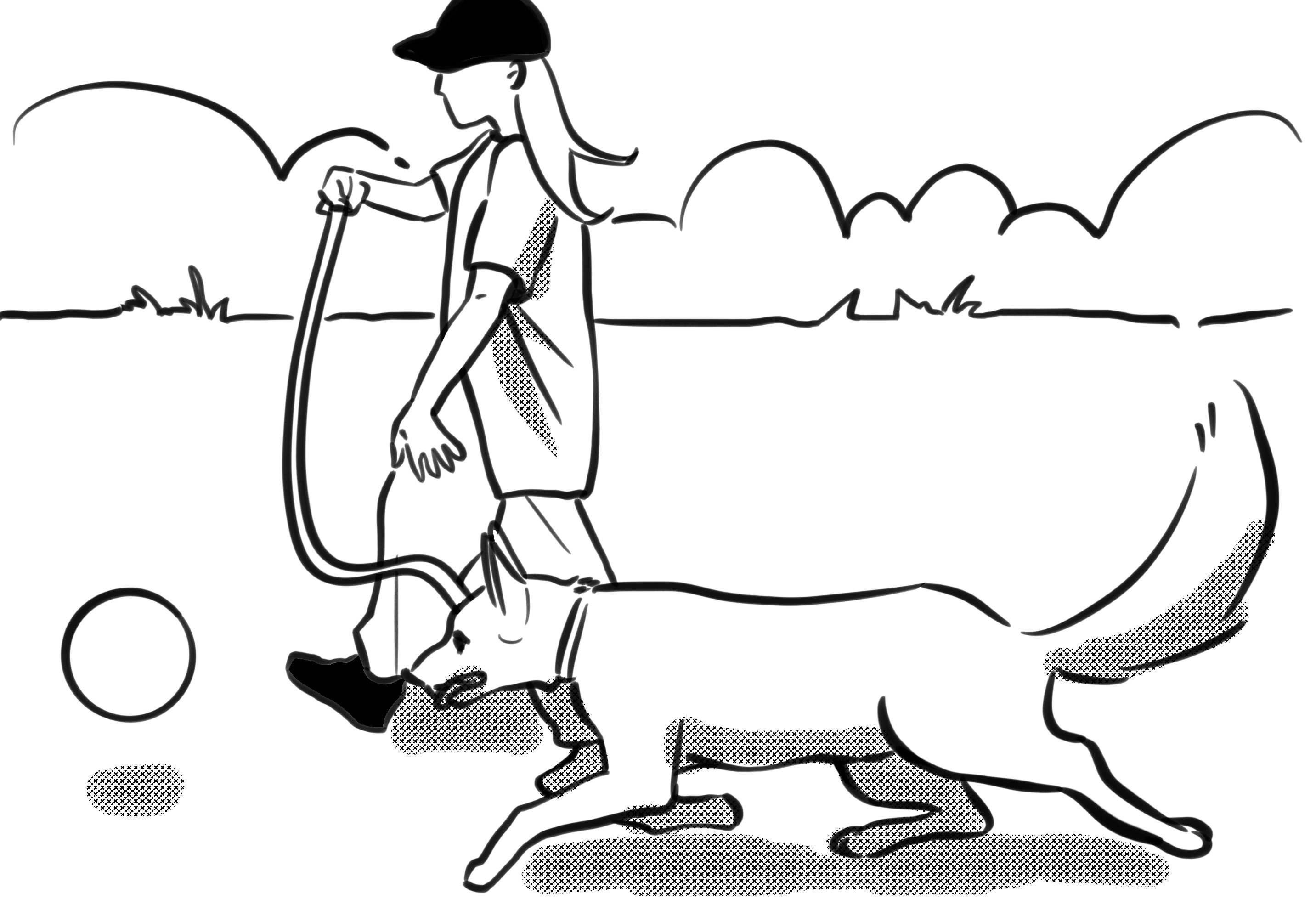
Hazel is the head engineer at Pawer Lab. He develops and tests the latest pup-focused inventions for the Pawer Lab. He is passionate about enjoying the small things in life. The border collie’s hobbies include riding in the car, stalking the mailman, and fetching tennis balls.
Recommended for you