

Your Dog's Health Calendar: A Complete Guide to Veterinary Wellness Visits
When it comes to keeping your furry family member healthy and thriving, timing matters. Just as humans benefit from regular medical check-ups, your canine companions need consistent veterinary care throughout their lives. Understanding when and why to schedule these appointments can make the difference between catching health issues early and dealing with costly, complex problems down the road.
· Puppies need frequent visits: Every 3-4
weeks until 16 weeks old for vaccinations and development monitoring.
· Adult dogs require annual checkups: Once
yearly visits help detect health issues before they become serious problems.
· Senior dogs benefit from twice-yearly exams:
Dogs 7+ years old need more frequent monitoring for age-related conditions.
Why Regular Vet Visits Are Your Dog's Best Friend
You do your best to take care of your canine companion. You feed them the food that’s best for them, groom them using all natural Pawer Dog wipes, and make sure they get plenty of exercise. Do they really need a wellness exam, too?
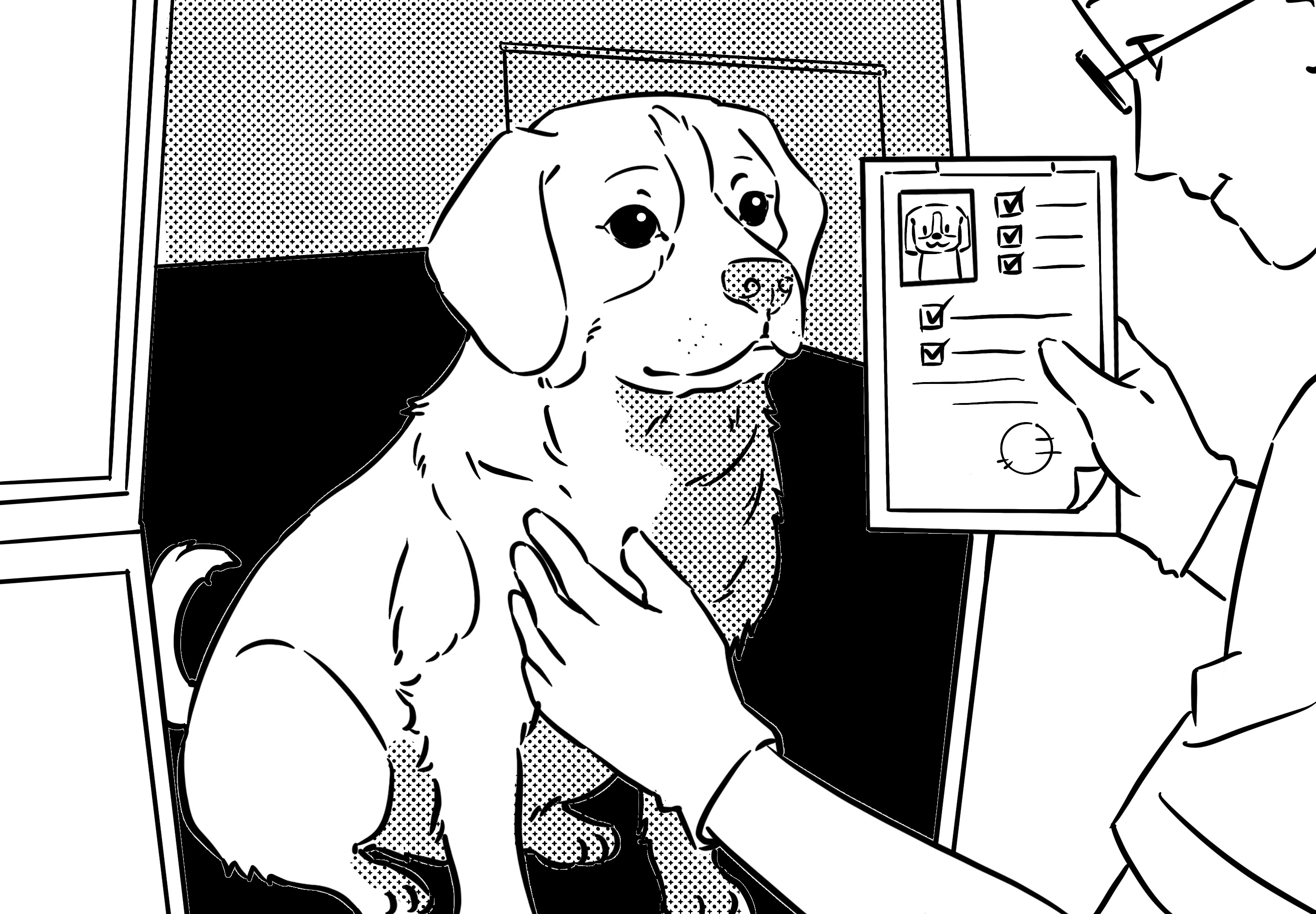
Think of wellness exams as your dog's health insurance policy. These visits aren't just about addressing current concerns; they're about building a comprehensive health profile that helps your veterinarian spot subtle changes over time. During these appointments, your vet can update vaccinations, discuss nutrition tailored to your dog's specific needs, address behavioral questions, and create prevention strategies for parasites and other common health threats.
The Puppy Phase: Building a Foundation for Lifelong Health
Your adorable new puppy needs extra attention during those crucial first months. The immune system is still developing, and proper vaccination timing is essential for protection against serious diseases.
Recommended Schedule: Every 3-4 weeks until approximately 16 weeks of age
These frequent visits serve multiple purposes beyond vaccinations. Your veterinarian will monitor proper growth patterns, check for any inherited conditions that might not be immediately obvious, and provide guidance on training, socialization, and nutrition during this critical developmental window.
Adult Dogs: Maintaining Peak Performance
Once your dog celebrates their first birthday and completes their puppy vaccination series, you can typically transition to annual wellness visits. This doesn't mean your dog's health needs are less important—rather, their immune system is mature, and their growth has stabilized.
Recommended Schedule: Once yearly
Annual exams provide an opportunity for comprehensive health assessments. Your veterinarian will evaluate body condition, examine teeth and gums for signs of dental disease, listen to heart and lung sounds, check skin and coat quality, and assess overall mobility and behavior. Depending on your dog's breed, lifestyle, and risk factors, blood work or other diagnostic tests might be recommended to establish baseline values or screen for breed-specific conditions.
Golden Years: Extra Care for Senior Dogs
As dogs enter their senior years, typically around age 7, though this varies significantly by breed, their health needs change dramatically. Large breed dogs often show signs of aging earlier than their smaller counterparts, sometimes as early as age 5 or 6.
Recommended Schedule: Every 6 months
Twice-yearly visits become crucial because aging dogs are more susceptible to conditions like arthritis, heart disease, kidney problems, and cognitive changes. More frequent monitoring allows for earlier intervention, which often means more effective treatment and better quality of life. These visits also provide opportunities to discuss pain management, dietary adjustments for changing metabolism, and modifications to exercise routines.
When Life Throws Curveballs: Special Circumstances
Some dogs need more frequent veterinary attention regardless of their age. Dogs managing chronic conditions like diabetes, heart disease, or allergies may require monthly or quarterly check-ins to monitor treatment effectiveness and adjust medications as needed.
Additionally, certain breeds carry higher risks for specific health problems. German Shepherds, for instance, are prone to hip dysplasia, while Bulldogs face respiratory challenges. Your veterinarian can recommend a monitoring schedule based on your dog's breed-specific risks.
Red flags that warrant immediate attention:
• Sudden changes in appetite or water consumption
• Unexplained weight loss or gain
• Behavioral changes or decreased activity
• Difficulty breathing or changes in breathing patterns
• Limping or reluctance to move
Making the Most of Every Visit
To maximize the value of each wellness exam, come prepared with questions and observations. Keep a running list of any changes you've noticed in your dog's behavior, eating habits, or physical condition. Bring a list of current medications, treats, and foods your dog receives. This information helps your veterinarian provide the most comprehensive care possible.
Your Vet is A Partner in Pet Health
Regular wellness exams represent one of the most valuable investments you can make in your dog's health and happiness. By staying proactive rather than reactive, you're giving your beloved companion the best chance at a long, comfortable, and joy-filled life by your side.
Remember, every dog is unique, and your veterinarian is your best resource for creating a personalized wellness schedule that meets your pet's individual needs. Don't hesitate to discuss any concerns or questions about your dog's health with your pet’s vet. After all, you know your furry friend better than anyone.
About the Author: Hazel
Hazel is the head engineer at Pawer Lab. He develops and tests the latest pup-focused inventions for Pawer Lab. He is passionate about enjoying the small things in life. The border collie’s hobbies include riding in the car, stalking the mailman, and fetching tennis balls.
Recommended for you